

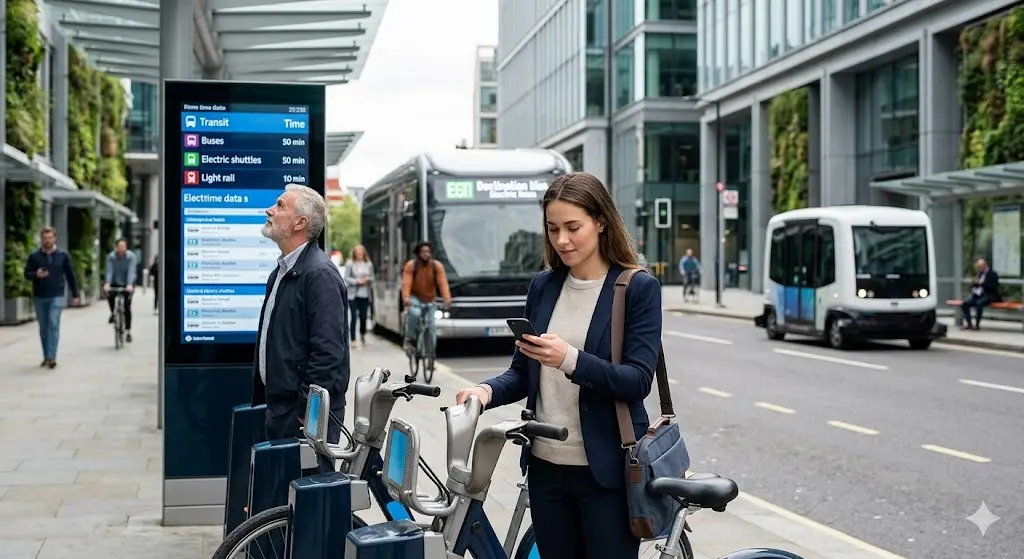
Consumer behaviour is becoming one of the strongest forces shaping the future of transportation. As people's priorities change, transportation companies, vehicle manufacturers, technology providers, and urban planners are adjusting their strategies to meet new expectations. From sustainability and convenience to digital experiences and affordability, buying decisions now directly influence how transportation systems evolve worldwide.
Consumer behaviour is influencing future transportation trends because people now demand smarter, cleaner, safer, and more flexible mobility solutions. As preferences shift toward sustainability, digital convenience, shared mobility, and personalized experiences, transportation providers are redesigning products and services to match these expectations.
What Is Consumer Behaviour in Transportation?
Consumer Behaviour: The actions, preferences, motivations, and decision-making processes that influence how individuals choose, purchase, and use products or services.
When applied to transportation, consumer behaviour refers to how people decide which vehicles to buy, which transportation services to use, how often they travel, and what factors influence those choices.
Years ago, transportation decisions were often simple. People typically purchased a vehicle based on price, reliability, and availability. Today, the process is far more complex. Environmental concerns, technology features, fuel efficiency, connectivity, and lifestyle compatibility all play a role.
Here's the thing: transportation companies no longer dictate market direction alone. Consumers increasingly determine what succeeds and what fails.
A growing number of buyers expect transportation solutions to fit seamlessly into their daily lives. This shift is pushing innovation at a pace that few industry experts predicted a decade ago.
Why Consumer Behaviour Matters in 2026
The transportation sector is entering a period where customer expectations evolve faster than infrastructure.
In 2026, people expect transportation to be more than simply moving from one place to another. They want convenience, personalization, sustainability, and digital integration.
What most people overlook is that transportation trends often begin with small changes in consumer preferences. A slight increase in demand for electric vehicles, for example, can eventually reshape manufacturing priorities, charging infrastructure investments, and government policies.
Several factors are driving this transformation:
Environmental Awareness
Consumers are becoming increasingly conscious of environmental impact. Many buyers actively seek vehicles with lower emissions and better fuel efficiency.
Electric vehicles are benefiting directly from this shift. Buyers are not just considering purchase price anymore. They are evaluating long-term environmental and operational costs.
Digital Expectations
Modern consumers expect digital experiences everywhere.
From ride-booking apps to connected vehicles, technology has become an essential part of transportation. People want real-time information, mobile integration, and frictionless payment systems.
Transportation providers that fail to meet these expectations may struggle to retain customers.
Flexible Mobility Preferences
Ownership is no longer the ultimate goal for everyone.
Younger consumers often prefer access over ownership. Car-sharing, ride-hailing, subscription services, and micro-mobility options are becoming attractive alternatives.
This change is fundamentally altering transportation business models.
Health and Safety Priorities
Recent global events have increased awareness around health and personal safety.
Many consumers now evaluate transportation options based on cleanliness, crowd levels, and safety measures.
These concerns continue influencing transportation decisions worldwide.
Expert Tip
Pay attention to consumer expectations before examining transportation technology. In most cases, technology adoption follows demand rather than leading it. Companies that understand changing customer priorities often identify future trends earlier than competitors.
How Consumer Behaviour Shapes Future Transportation Trends
Understanding the process helps explain why consumer behaviour has such a strong impact on transportation innovation.
1: Consumers Identify New Priorities
Changes usually begin with evolving lifestyles, economic conditions, or social values.
For example, increasing environmental awareness encouraged many consumers to seek greener transportation options.
2: Market Demand Becomes Visible
As more consumers express similar preferences, demand patterns emerge.
Manufacturers, service providers, and investors monitor these patterns closely.
3: Businesses Adjust Their Offerings
Companies respond by introducing products and services that align with customer expectations.
This might include electric vehicles, smart transportation platforms, or subscription-based mobility programs.
4: Infrastructure Evolves
Governments and private organizations invest in supporting infrastructure.
Charging stations, smart traffic systems, and integrated mobility networks often follow growing consumer demand.
5: Adoption Accelerates
Once transportation solutions become accessible and convenient, broader adoption occurs.
This creates a feedback loop that further reinforces consumer preferences.
6: New Standards Emerge
Eventually, innovations become expected features rather than optional benefits.
What once seemed futuristic becomes normal.
How Sustainability Is Reshaping Transportation Choices
One of the biggest drivers of transportation change is sustainability.
Consumers increasingly want products that align with their environmental values.
I've seen this shift become more noticeable over the past few years. People who previously focused solely on cost now frequently ask questions about emissions, energy consumption, and environmental impact.
Vehicle manufacturers have responded aggressively.
Many companies are investing billions into electric mobility, battery technology, and renewable energy solutions because they recognize where consumer demand is heading.
Interestingly, sustainability isn't only about environmental responsibility. Many consumers associate eco-friendly transportation with innovation, status, and long-term savings.
That combination makes sustainable transportation especially appealing.
The Rise of Convenience-Driven Mobility
Convenience often outweighs ownership.
That's probably one of the most significant transportation shifts happening today.
Consumers increasingly prioritize ease of access over permanent possession.
Ride-sharing services, vehicle subscriptions, and integrated mobility apps provide flexibility without traditional ownership responsibilities.
A realistic example illustrates this trend.
Imagine a young professional living in a major city. Purchasing a vehicle involves insurance, maintenance, parking, and fuel costs. A combination of ride-sharing, public transportation, and short-term vehicle rentals may offer greater convenience at a lower overall expense.
For many consumers, the choice becomes obvious.
Transportation providers are adapting accordingly.
Expert Tip
Don't assume consumers always choose the cheapest option. Many willingly pay more for convenience if it saves time, reduces stress, or improves flexibility.
Why Technology Is Becoming a Purchase Driver
Technology is no longer an added feature.
It's often the deciding factor.
Consumers now expect transportation solutions to deliver experiences similar to those offered by smartphones and digital platforms.
Features such as:
Connected navigation
Predictive maintenance alerts
Remote vehicle controls
Personalized driving settings
Advanced safety assistance
have become increasingly important during purchasing decisions.
What most guides miss is that consumers often evaluate technology based on simplicity rather than complexity.
The most successful transportation technologies are usually the easiest to use.
Common Misconception: Consumers Only Care About Price
This belief persists throughout many transportation sectors.
Yet it's becoming less accurate every year.
Price remains important, of course.
However, consumers frequently balance cost against factors such as sustainability, convenience, safety, and digital experiences.
Here's a counterintuitive point.
Some transportation services gain popularity despite charging premium prices because they remove friction from the customer experience.
People often value certainty and convenience more than small cost savings.
Understanding this reality helps explain many emerging transportation trends.
Expert Tips: What Actually Works
In my experience, organizations that focus exclusively on technology sometimes miss the bigger picture.
Technology matters.
Consumer motivation matters more.
When evaluating future transportation trends, ask yourself three questions:
What problems are consumers trying to solve?
Which experiences are they actively seeking?
What frustrations do they want to eliminate?
The answers often reveal future market opportunities.
Another observation worth mentioning is that transportation innovation rarely succeeds through engineering alone. Successful solutions usually combine technology, convenience, affordability, and emotional appeal.
Consumers buy outcomes, not features.
That distinction matters.
Expert Tip
Monitor lifestyle changes as closely as technological developments. Remote work, urbanization patterns, and demographic shifts often predict transportation demand better than industry forecasts.
People Most Asked About Consumer Behaviour and Transportation
How does consumer behaviour affect transportation innovation?
Consumer preferences influence which products and services companies develop. As demand changes, businesses invest in solutions that better align with customer expectations.
Why are consumers choosing electric vehicles?
Many consumers appreciate lower operating costs, environmental benefits, government incentives, and modern technology features associated with electric vehicles.
Will vehicle ownership continue declining?
Not everywhere. However, urban populations and younger consumers increasingly embrace flexible transportation options instead of traditional ownership.
How does digital technology influence transportation decisions?
Digital tools improve convenience, information access, personalization, and efficiency. Consumers often prefer transportation services that provide seamless digital experiences.
Are sustainability concerns changing buying decisions?
Yes. Environmental awareness influences transportation choices across many markets, encouraging demand for cleaner mobility solutions.
What role does safety play in transportation preferences?
Safety remains a major factor. Consumers frequently evaluate vehicles and transportation services based on protective technologies and operational reliability.
How do younger consumers differ from older generations?
Younger consumers often prioritize flexibility, digital integration, and sustainability. Many place less emphasis on ownership compared to previous generations.
What transportation trends are likely to grow in the future?
Electric mobility, autonomous systems, smart transportation networks, shared mobility services, and connected vehicle technologies are expected to see continued growth.
Final Thoughts
Consumer behaviour is influencing future transportation trends because customer expectations are changing faster than ever before. People increasingly seek sustainable, convenient, technology-driven, and personalized mobility solutions that fit modern lifestyles. Organizations that understand these behavioural shifts will be better positioned to anticipate future demand, develop relevant transportation innovations, and remain competitive in a rapidly evolving global market.
Our network helps businesses expand brand visibility through global newswire services and results-driven local SEO services designed to improve SEO ranking, attract organic traffic, and secure valuable media coverage. Whether you're a startup, agency, blogger, or established brand, gain high authority backlinks and instant publishing opportunities that strengthen online authority and accelerate digital growth.