

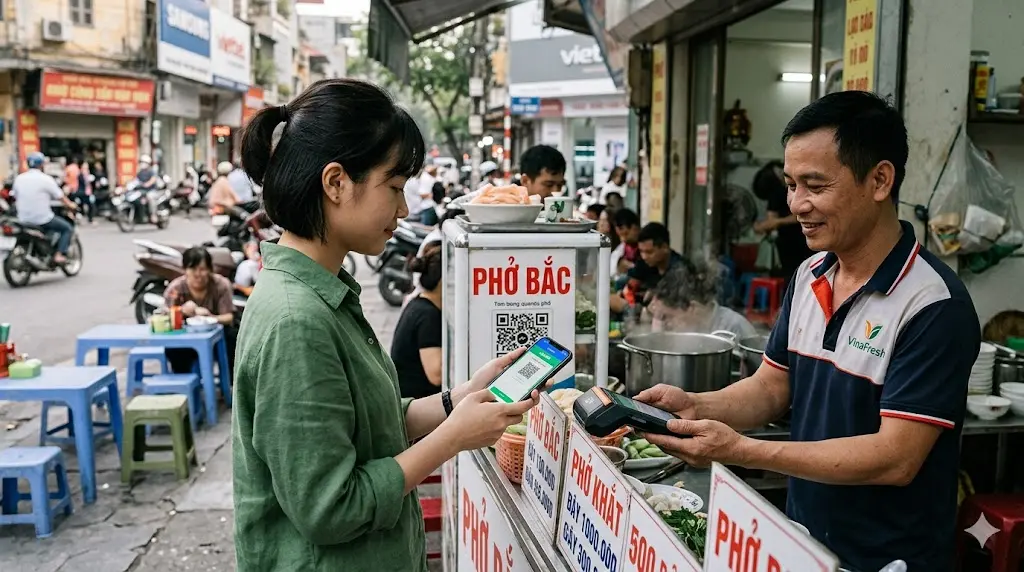
Mobile commerce isn’t just changing how people shop anymore—it’s quietly reshaping how countries interact with each other. Governments are now paying attention because digital payment systems, cross-border apps, and mobile-first trade platforms are starting to affect diplomacy, regulation, and even economic alliances. You might not notice it at first, but every time a transaction crosses borders on a phone, there’s a bit of international politics in the background.
Mobile commerce is influencing international relations by reshaping trade flows, digital taxation, data governance, and financial power between countries. As mobile payments and cross-border apps grow, governments are adjusting policies, forming digital alliances, and competing over tech infrastructure and regulatory control.
What Is Mobile Commerce’s Impact on International Relations?
Mobile commerce refers to buying and selling goods and services through smartphones and mobile apps. Its influence on international relations comes from how these transactions cross borders instantly, involve multiple currencies, and depend on global digital infrastructure.
Definition Box:
Mobile Commerce (M-Commerce) — the use of mobile devices to conduct financial transactions, including shopping, banking, and digital payments.
Here’s the thing. Once commerce becomes mobile-first, it stops being purely economic and starts becoming political. Countries are no longer just trading goods—they’re competing over digital payment ecosystems, platform control, and cross-border financial data.
International relations researchers now study how mobile commerce affects:
Digital sovereignty
Cross-border taxation systems
Data privacy laws
Trade agreements
Currency competition
Technology partnerships
What’s interesting is that a simple mobile payment app can indirectly influence diplomatic relationships between nations. That’s not an exaggeration—it’s already happening in global trade negotiations.
Why Mobile Commerce Matters in 2026
Mobile commerce matters more in 2026 because smartphones have essentially become the primary financial tool for billions of people. In some countries, mobile payments are more common than cash or cards.
What most people overlook is that mobile commerce platforms often operate across multiple jurisdictions without clear regulatory boundaries. That creates friction between governments trying to control financial flows and companies trying to scale globally.
In my experience following digital trade research, policymakers often underestimate how fast mobile ecosystems evolve compared to traditional trade laws. By the time regulations are updated, the technology has already shifted again.
Another major issue is economic influence. Countries with dominant mobile payment systems often gain indirect leverage in global markets because their platforms become default transaction channels.
Expert Tip
The countries that control payment infrastructure often influence trade rules more than countries that only export goods. Financial systems quietly shape diplomatic power.
How Mobile Commerce Is Reshaping Global Power Structures
Mobile commerce is reshaping international relations in ways that feel subtle but run deep.
1. Digital Trade Expansion
Mobile platforms enable instant global transactions, reducing dependence on traditional banking networks. That changes how trade agreements are structured.
2. Cross-Border Data Regulation
Every mobile transaction generates data. Governments are now debating who owns that data, where it is stored, and how it can be used.
3. Currency Competition
Mobile wallets sometimes bypass traditional currency exchange systems. That creates pressure on national currencies and central banks.
4. Platform Diplomacy
Tech companies operating mobile commerce systems often negotiate directly with governments, making them unofficial diplomatic actors.
5. Financial Inclusion Policies
Some nations promote mobile commerce to expand financial access, while others restrict it to protect domestic banking sectors.
Step-by-Step: How Mobile Commerce Influences International Relations
A user completes a mobile transaction across borders
Payment data flows through international servers
Currency conversion happens automatically
Regulatory systems of multiple countries get involved
Governments assess taxation and compliance issues
Diplomatic or trade adjustments are discussed
Common Misconception
Many people assume mobile commerce is just a tech upgrade to traditional shopping. In reality, it’s a restructuring of financial sovereignty across borders.
Expert Tips and What Actually Works in Policy Responses
Let me be direct—countries that treat mobile commerce only as an economic tool tend to fall behind in digital policy negotiations.
I’ve seen policy frameworks fail simply because they ignored platform-level influence. Mobile commerce ecosystems are not neutral. They shape consumer behavior, financial flows, and even geopolitical alliances.
One surprising insight from global research is that smaller countries sometimes adapt faster than larger economies. Why? Less bureaucratic friction. They can update digital regulations more quickly, making them attractive hubs for fintech platforms.
Another key observation is that collaboration often works better than restriction. Countries that build shared digital payment standards tend to experience smoother trade relationships.
Expert Tip
Regulatory flexibility matters more than strict control. Over-regulation often pushes mobile commerce activity into informal or offshore systems.
How Governments Are Responding to Mobile Commerce Growth
Governments are reacting in different ways, depending on their economic priorities.
Some focus on building national digital payment systems. Others prioritize international partnerships to integrate with global fintech ecosystems.
A few common strategies include:
Creating central bank digital currencies
Strengthening cross-border payment agreements
Introducing digital tax frameworks
Regulating data localization
Partnering with fintech companies
What’s interesting is that mobile commerce is forcing governments to think like tech companies. Policy cycles are becoming faster, more experimental, and sometimes less predictable.
Unexpected Impact: Mobile Commerce and Soft Power
Here’s a counterintuitive point. Mobile commerce isn’t just about money—it’s becoming a form of soft power.
Countries whose apps dominate global markets indirectly shape consumer habits, payment behaviors, and even trust in digital systems. That influence spills over into diplomacy and trade negotiations.
It’s not something most people think about, but researchers are increasingly paying attention to it.
People Most Asked About Mobile Commerce and International Relations
How does mobile commerce affect global trade?
Mobile commerce accelerates cross-border transactions and reduces friction in global trade. It also introduces new regulatory and taxation challenges for governments.
Why is mobile commerce important for governments?
It affects financial control, data governance, taxation systems, and economic competitiveness, making it a key policy focus.
Can mobile commerce influence diplomacy?
Yes, because digital payment systems and platform regulations often require international agreements and cooperation.
Does mobile commerce weaken national currencies?
In some cases, widespread use of mobile payment systems tied to foreign currencies can reduce reliance on local currency systems.
Are mobile commerce platforms politically neutral?
Not entirely. Since they operate across jurisdictions, they often interact with government policies and economic strategies.
What industries are most affected?
Banking, retail, telecommunications, logistics, and technology sectors are most impacted by mobile commerce expansion.
Will mobile commerce replace traditional trade systems?
Not fully, but it is reshaping how trade systems operate and how governments regulate financial flows.
Final Thoughts
Mobile commerce is no longer just a retail trend—it’s part of global political and economic strategy. As transactions move into mobile ecosystems, governments are adapting policies, negotiating digital agreements, and rethinking how international relations work in a connected economy.
Countries that understand this shift early will probably shape the next phase of global digital trade, while others may struggle to keep up with rapidly evolving financial systems.
For businesses aiming to expand visibility and authority in this digital-first environment, services like press release distribution services and SEO services can help improve organic traffic, media coverage, and SEO ranking while supporting global brand presence through high-authority distribution channels.