

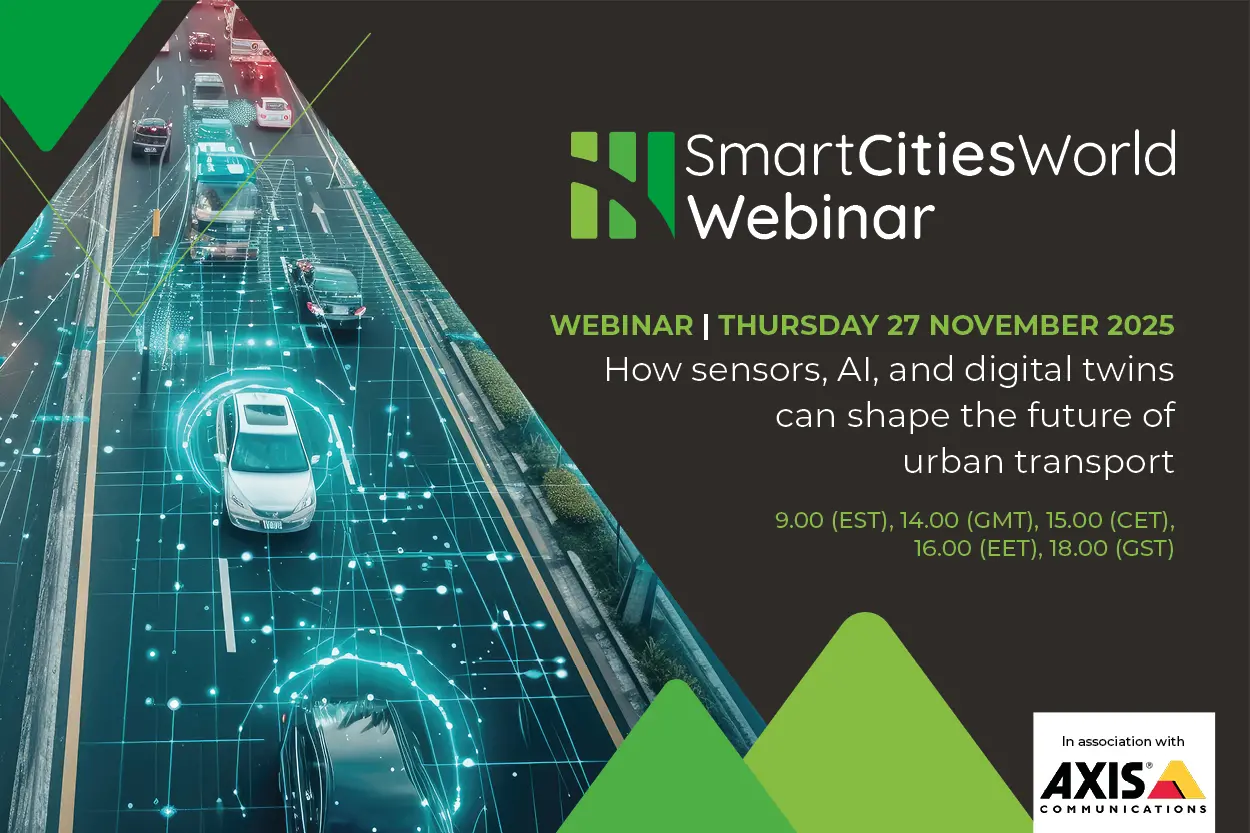
The convergence of sensors, artificial intelligence, and digital twins is redefining urban transport, offering cities unprecedented opportunities to enhance efficiency, resilience, and sustainability. As metropolitan areas grapple with the dual pressures of climate change and aging infrastructure, these technologies provide a pathway to smarter, more responsive mobility systems. This article examines how data and AI are being deployed in transportation networks to support planning, day-to-day operations, and community outcomes.
The Role of Digital Twins in Urban Transport
Digital twins—virtual replicas of physical systems—are becoming crucial tools for city planners and transport authorities. By integrating real-time sensor data with AI analytics, these models allow operators to simulate traffic flows, predict congestion, and test infrastructure changes without disrupting actual operations. For instance, a digital twin of a city’s road network can model the impact of new bus lanes, signal timings, or even electric vehicle charging stations before any physical construction begins. This capability reduces costs, accelerates decision-making, and minimizes trial-and-error in public spaces.
Beyond simulation, digital twins enable continuous monitoring and optimization. When combined with IoT sensor networks, they can detect anomalies such as sudden traffic slowdowns, air quality spikes, or structural stress on bridges. AI algorithms then process this data to suggest real-time adjustments—like rerouting traffic or sending maintenance crews—thereby improving safety and reducing downtime. The synergy between digital twins and AI thus transforms static planning into dynamic, adaptive management.
Sensor Networks: The Foundation of Intelligence
Sensors are the eyes and ears of smart transport systems. From inductive loops embedded in asphalt to LiDAR-equipped cameras at intersections, these devices collect granular data on vehicle counts, speeds, pedestrian movements, and even weather conditions. When aggregated, this information feeds into AI models that can forecast demand, optimize signal timings, and identify patterns invisible to human operators. For example, smart sensor networks in urban areas have been used to reduce idling at traffic lights by up to 30%, cutting fuel consumption and emissions.
Moreover, sensor data supports multimodal integration. By tracking the occupancy of parking spaces, the arrival times of buses, and the availability of shared bikes, cities can provide real-time guidance to travelers through mobile apps. This seamless experience encourages public transit use and reduces reliance on private cars. However, the deployment of sensors also raises important questions about data privacy and cybersecurity, which must be addressed through robust governance frameworks and encryption standards.
Case Studies: Leading the Way
Malaysia’s AI-Powered Urban Innovation
Malaysia has emerged as a pioneer in applying AI to urban infrastructure. Through initiatives like the first Southeast Asian Smart City Expo in Kuala Lumpur, the country is demonstrating how digital twins and sensor networks can improve traffic management, energy efficiency, and public safety. In Kuala Lumpur, authorities have implemented AI-based systems that analyze video feeds from thousands of cameras to detect accidents, illegal parking, and potential security threats. These systems can alert emergency services within seconds, significantly reducing response times. Additionally, AI models predict peak travel periods and adjust bus and train frequencies accordingly, smoothing passenger flows and reducing wait times.
Sunderland’s Smart City Transformation
Sunderland, in the United Kingdom, is repositioning itself as a leading smart city by leveraging digital infrastructure and low-carbon innovation. The city’s strategy focuses on creating a resilient, future-focused economy through investments in sensor networks and data platforms. For example, Sunderland has deployed smart streetlights that not only save energy but also serve as nodes for air quality monitoring and public Wi-Fi. The data collected feeds into a digital twin of the city’s transport system, enabling planners to test scenarios such as pedestrianization schemes or the integration of autonomous shuttles. This approach has attracted technology companies and startups, fostering a local ecosystem of innovation.
Dublin’s Digital Twin Projects
Dublin is innovating to improve experiences and services for its communities, with a strong focus on digital twins. The city’s digital twin platform integrates data from traffic sensors, public transport ticketing, and even social media to create a holistic view of urban mobility. One notable project involves using the digital twin to reduce traffic congestion in the city center. By simulating different traffic light phasing strategies, Dublin officials were able to decrease average travel times by 15% during peak hours. Additionally, the city has used the model to plan bike-sharing stations and pedestrian crossings, aligning with its goal of increasing active travel.
Quezon City’s Resilience Measures
Quezon City in the Philippines offers a compelling example of how smart technologies can enhance urban resilience. Following unexpected extreme rainfall, the city implemented a network of water level sensors and AI-driven warning systems. These sensors monitor rivers and drainage channels in real time, feeding data into a digital twin that forecasts flood risks. When dangerous levels are detected, the system automatically adjusts traffic signals to divert vehicles away from flooded areas and sends alerts to residents’ mobile phones. This integrated approach has saved lives and reduced property damage, proving that sensor-AI combinations are vital for climate adaptation.
Addressing Challenges and Looking Ahead
Despite the promise, deploying sensors, AI, and digital twins at scale presents significant hurdles. One major challenge is the interoperability of different systems and data standards. Cities often use equipment from multiple vendors, leading to fragmented data that is difficult to harmonize. Open data protocols and partnerships with academia can help, but progress is slow. Another obstacle is the high upfront cost of sensors and computing infrastructure. Many cities, especially in developing nations, struggle to justify these investments without clear evidence of long-term savings. Public-private partnerships and grant funding from international bodies can offset some costs, but sustainable business models remain elusive.
Data governance is another critical issue. The massive amount of personal and location data collected by transport sensors raises privacy concerns. Citizens may be uncomfortable with their movements being tracked, even if anonymized. Strong legal frameworks, transparency in data use, and options for opt-out are essential to build trust. Additionally, cybersecurity threats are real: a compromised sensor network could disrupt entire traffic systems or leak sensitive information. Cities must invest in cyber defenses and conduct regular audits.
Looking forward, the evolution of 5G and edge computing will further accelerate the potential of smart transport. Faster, lower-latency communication allows sensor data to be processed locally, enabling real-time decisions without relying on central servers. This is crucial for applications like autonomous vehicle coordination and emergency response. Meanwhile, advances in AI, particularly in deep learning, are making it possible to predict not just traffic but also infrastructure failures before they occur. For example, vibration sensors on bridges can feed into AI models that detect early signs of structural fatigue, triggering preventive maintenance.
The intersection of sensors, AI, and digital twins is not limited to transport alone. These technologies can be integrated with energy grids, water systems, and public services to create truly smart cities. As urban populations continue to grow, the ability to manage resources efficiently and respond to shocks becomes ever more critical. The cities highlighted—Kuala Lumpur, Sunderland, Dublin, and Quezon City—demonstrate that with vision and investment, the future of urban transport is within reach. The key is to start small, scale gradually, and always keep the needs of communities at the center. By learning from these pioneers, other cities can chart their own paths toward a more sustainable, resilient, and intelligent urban future.
Source: Smart Cities World News