

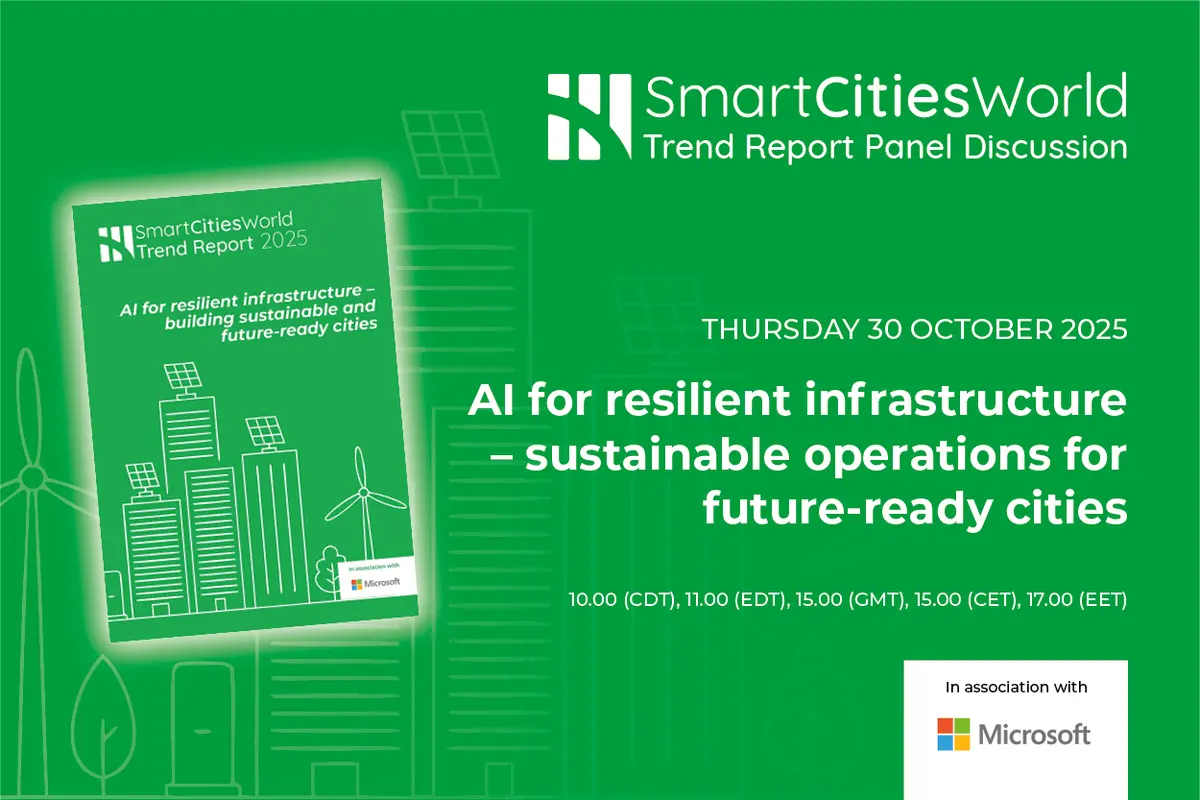
Artificial intelligence and digital twin technologies are rapidly transforming urban infrastructure, enabling cities to become more efficient, resilient, and sustainable. From transportation networks to streetlight systems, these innovations are reshaping how city planners, engineers, and operators manage complex urban environments. This report explores key developments, expert insights, and real-world examples of AI-driven infrastructure solutions.
AI-Powered Digital Twins for Urban Infrastructure
Digital twins—virtual replicas of physical systems—are increasingly used to simulate, monitor, and optimize city operations. By integrating real-time data from sensors, IoT devices, and historical records, AI algorithms analyze patterns and predict outcomes. This powerful combination allows cities to improve efficiency, reduce costs, and anticipate failures before they occur. For instance, digital twins of energy grids help balance supply and demand, while traffic models optimize signal timings to reduce congestion.
Transforming Urban Transport
Urban transport networks are among the earliest adopters of AI and digital twins. Data from traffic cameras, GPS, and passenger counters feed into models that support planning, day-to-day operations, and community outcomes. AI helps predict travel demand, adjust schedules dynamically, and optimize routing for buses and trains. This leads to shorter wait times, reduced emissions, and better user experiences. However, challenges remain in integrating disparate data sources and ensuring equitable access for all communities.
Interoperability and Inclusivity: Key Principles for Urban AI
Cristina Bueti of the International Telecommunication Union (ITU) emphasizes that cities must prioritize interoperability, inclusivity, and human oversight now—before fragmented systems and vendor lock-in define the future of urban AI. Without common standards, different smart city systems may not communicate effectively, leading to data silos and inefficiencies. Inclusivity ensures that all residents benefit from technological advances, while human oversight maintains ethical accountability. Bueti’s call to action underscores the urgency for cities to adopt open architectures and participatory governance.
Designing for Upstream Resilience and Downstream Benefit
Heinz von Eckartsberg of Woods Bagot and Pablo Sepulveda of Impact Future discuss designing cities for upstream resilience and downstream benefit. This approach involves anticipating future challenges—such as climate change, population growth, and resource scarcity—and embedding resilience into infrastructure from the start. Upstream measures might include green roofs, permeable pavements, and decentralized energy systems. Downstream benefits manifest as reduced disaster recovery costs, improved public health, and economic stability. The panel highlights the need for interdisciplinary collaboration between architects, engineers, data scientists, and community stakeholders.
Sunderland: A Smart City in the Making
Sunderland is repositioning itself as a leading smart city, leveraging digital infrastructure and low-carbon innovation to build a resilient, future-focused economy. According to the SmartCitiesWorld City Profile, the city has invested in a fiber-optic network, smart lighting, and sensor systems that monitor air quality, traffic, and waste. These technologies help reduce energy consumption, improve public services, and attract businesses. Sunderland’s approach integrates digital twins for urban planning, allowing officials to test scenarios before implementing changes. The city’s commitment to sustainability sets an example for post-industrial regions transitioning to a digital economy.
Key initiatives include the Sunderland Smart City Lab, which tests new technologies in real-world conditions, and partnerships with universities and tech companies. By focusing on data-driven decision-making, Sunderland aims to enhance quality of life for its 275,000 residents while reducing its carbon footprint. The city’s progress demonstrates that strategic investments in infrastructure and collaboration can yield measurable benefits.
Dublin: Innovating for Community Experience
Dublin is also innovating to improve experiences and services for its communities. The city’s digital twin projects allow planners to model traffic flows, building energy use, and public space utilization. One notable initiative uses digital twins to reduce traffic congestion by simulating different road layouts and public transport schedules. Additionally, Dublin has implemented smart parking and wayfinding systems that guide drivers to available spots, cutting emissions from circling vehicles. Economic growth has been boosted through the creation of a smart district that attracts startups and tech firms. Dublin’s efforts highlight how data-driven innovation can create more livable, efficient urban environments.
Smart Lighting: The Foundation for Future-Ready Cities
Smart lighting is emerging as a cornerstone of smart city infrastructure. The podcast mini-series Cities Thriving on Lighting from SmartCitiesWorld and Paradox Engineering examines the evolution of smart lighting from LED retrofits to fully connected, interoperable systems. In the second episode, experts discuss how cities can turn existing streetlight networks into secure, interoperable, and future-proof infrastructure. Smart poles equipped with sensors, cameras, and wireless transmitters can support not only lighting but also environmental monitoring, public Wi-Fi, and traffic management. This convergence reduces costs and simplifies maintenance while enabling new services.
The first episode explored the journey of LEDs, connectivity, and interoperability. It highlighted the importance of open standards and scalable architectures to avoid vendor lock-in. As cities upgrade their lighting, they have an opportunity to build a platform for broader smart city applications. The podcast underscores that smart lighting is not just about energy savings—it's about creating a network that can adapt to future needs.
UN Virtual Worlds Day: AI, Spatial Intelligence, and the Citiverse
The UN Virtual Worlds Day event will explore how to turn AI, spatial intelligence, and the Citiverse ecosystem into trusted, people-centred outcomes. Paul Wilson, an organizer, invites stakeholders to join the conversation. The Citiverse—a concept blending city infrastructure with virtual and augmented reality—promises to enhance citizen engagement, urban planning, and service delivery. However, ensuring trust and inclusivity requires robust governance frameworks. The event aims to bridge the gap between technology developers, policymakers, and communities to co-create ethical digital spaces.
Smart Sensor Networks for Indoor Safety
Beyond outdoor environments, smart sensor networks are improving indoor safety. By detecting risks early—such as gas leaks, fires, or structural stress—these systems enhance situational awareness and support healthier, more secure buildings. In commercial and residential properties, sensors monitor air quality, occupancy, and energy use. AI algorithms analyze the data to trigger alerts, automate ventilation, or schedule maintenance. This proactive approach can prevent accidents, reduce operational costs, and improve occupant well-being. The integration of indoor sensors with building digital twins offers a holistic view of facility management.
Data Strategy for Smarter Sites and Safer Operations
Two on-demand webinars address the importance of data strategy. One focuses on getting your data strategy right for smarter sites and safer operations, emphasizing the need for quality data, governance, and analytics. The other examines how sensors, AI, and digital twins can shape the future of urban transport. These resources provide practical guidance for city leaders and infrastructure managers. They also highlight the role of newsletters from SmartCitiesWorld, which aggregate daily and weekly updates on the latest city interviews, special reports, and guest opinions—keeping professionals informed in a rapidly evolving field.
The convergence of AI, digital twins, and smart infrastructure is no longer a futuristic vision—it is happening now. Cities like Sunderland and Dublin are demonstrating tangible benefits, while experts emphasize the importance of interoperability, inclusivity, and long-term resilience. As technology advances, continuous learning and collaboration will be essential to create future-ready cities that are both efficient and equitable.
Source: Smart Cities World News