
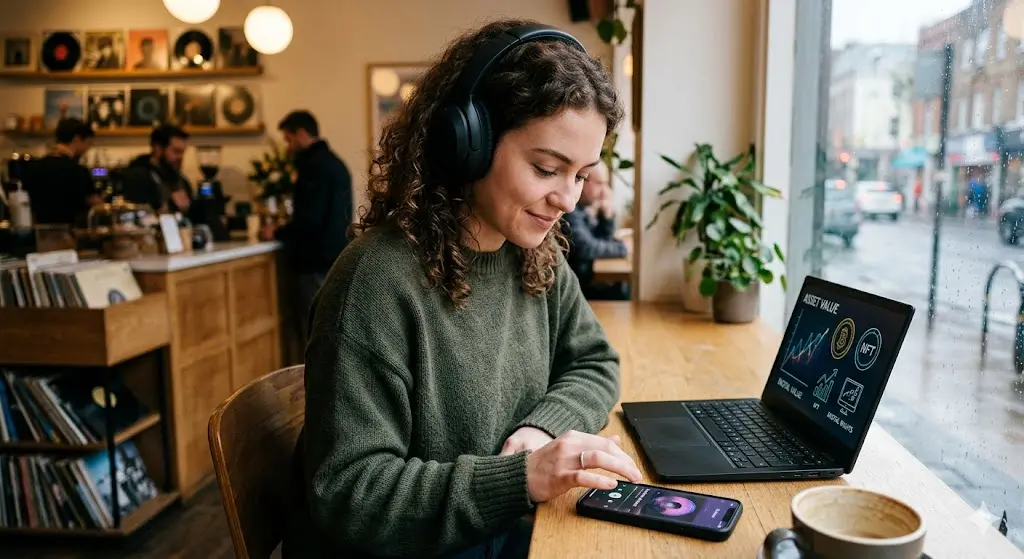
Music streaming is no longer just about listening to songs on your phone. It’s becoming one of the biggest forces shaping how digital assets are created, traded, licensed, and monetized across the global economy. From royalty tracking to blockchain-powered ownership systems, the relationship between streaming platforms and digital assets is changing faster than most industries expected.
Here’s the thing. What started as a simple subscription-based entertainment model is now influencing intellectual property laws, creator earnings, virtual collectibles, and even digital identity systems. In most cases, people still think music streaming only affects artists and record labels. That’s outdated thinking.
Music streaming is influencing the future of digital assets because it changed how ownership, licensing, subscriptions, royalties, and digital value are managed online. Streaming platforms created systems that now shape NFTs, tokenized media, blockchain licensing, creator economies, and decentralized payment models worldwide.
What Is Music Streaming and Why Does It Matter?
Music streaming allows users to access audio content online without downloading permanent copies. Instead of owning music files, listeners pay for access through subscriptions, ad-supported models, or bundled digital services.
That shift sounds small. It isn’t.
Streaming completely changed how consumers think about ownership. You no longer “buy” a song the way people bought CDs twenty years ago. You rent access to content inside digital ecosystems. That mindset is now spreading into gaming, movies, ebooks, and digital collectibles.
Digital Assets: Digital assets are online items with measurable value, including music rights, NFTs, cryptocurrencies, streaming royalties, digital licenses, and virtual collectibles.
What most people overlook is that streaming normalized recurring payments for intangible products. That’s a massive cultural change. Consumers became comfortable paying monthly for something they can’t physically hold. Digital assets thrive on that same behavior.
A recent wave of industry research also shows younger audiences care more about access and personalization than ownership itself. That trend is shaping how companies design future digital economies.
Why Music Streaming Matters in 2026
By 2026, music streaming won’t just influence entertainment. It’ll shape financial technology, digital law, creator monetization, and virtual ownership systems globally.
You can already see it happening.
Streaming companies collect enormous amounts of behavioral data. Listening habits, engagement times, regional preferences, subscription trends — all of this data has commercial value. That information helps build smarter advertising systems, recommendation engines, and digital asset marketplaces.
In my experience, this is where the conversation becomes uncomfortable for regulators. Many governments are still trying to understand how digital ownership works when platforms technically control access.
Streaming Platforms Are Becoming Digital Economies
Modern streaming services now include:
Subscription ecosystems
Creator monetization tools
AI-driven recommendation systems
Digital merchandise integrations
Virtual event access
Blockchain licensing experiments
That’s no longer “just music.”
A hypothetical example makes this easier to understand. Imagine an independent artist in Brazil releasing songs through a streaming platform connected to blockchain royalty tracking. Every stream automatically generates transparent payment records stored on decentralized systems. Fans can even buy limited digital collectibles tied to exclusive listening rights.
Five years ago, that sounded niche. Now it sounds pretty normal.
Expert Tip
If you’re studying digital asset trends, don’t only watch crypto markets. Watch subscription behavior inside entertainment platforms. Consumer payment habits usually predict larger digital finance shifts before regulators catch up.
How Music Streaming Is Changing Digital Asset Ownership
Ownership rules are changing because streaming transformed consumer expectations.
People used to own albums permanently. Now users access temporary digital libraries controlled by service providers. That model directly influenced NFT platforms, token-based memberships, and creator subscription systems.
Here’s where things get interesting.
Many blockchain developers borrowed ideas from streaming economics rather than traditional banking systems. Recurring revenue, fractional access, licensing layers, and microtransactions all came from entertainment platforms first.
Step-by-Step: How Streaming Influences Digital Assets
1. Subscription Culture Changed Consumer Psychology
Consumers became comfortable paying monthly for digital access instead of permanent ownership.
That single behavioral shift opened the door for tokenized memberships, cloud gaming subscriptions, and digital asset rentals.
2. Licensing Systems Became More Complex
Streaming platforms forced companies to modernize copyright management.
Now those same licensing structures are being applied to NFTs, digital art, virtual products, and creator economies.
3. Micro-Payments Became Scalable
Music platforms process millions of tiny royalty transactions daily.
Blockchain companies saw that model and adapted it for decentralized payment systems and smart contracts.
4. Creator Economies Expanded
Artists realized they no longer needed traditional distribution systems to reach audiences globally.
That mindset encouraged independent creators to launch digital assets directly to consumers.
5. Data Became a Financial Asset
Streaming services collect behavioral data that can predict trends and consumer demand.
In many cases, that data now carries more value than the music itself.
The Surprising Legal Questions Nobody Expected
Here’s a counterintuitive point most articles miss: music streaming may influence digital law more through data collection than through copyright disputes.
That’s the real story.
Governments worldwide are struggling with questions like:
Who owns behavioral listening data?
Can AI models train on streaming patterns?
Should artists receive revenue from recommendation algorithms?
Do consumers truly “own” purchased digital content?
These questions affect far more than music.
In my opinion, streaming platforms accidentally became testing grounds for future digital governance. Legislators are using entertainment disputes to shape broader internet regulations.
A few years ago, most consumers barely read digital licensing agreements. Now people are beginning to question platform control, subscription lock-ins, and digital access rights.
That shift matters.
Common Misconception About Digital Ownership
Many users think paying for a subscription means partial ownership of digital content.
It doesn’t.
Most streaming agreements only grant temporary licensed access. Platforms still control availability, pricing structures, and content visibility. That same issue now appears across cloud software, gaming subscriptions, and NFT marketplaces.
What Research Says About Consumer Behavior
Global consumer research suggests audiences increasingly prioritize convenience over ownership. Younger users especially value portability, personalization, and instant access.
But there’s another side to this.
Consumers also want transparency. They want to know how artists are paid, how personal data is used, and how digital assets retain value over time.
I’ve seen this trend grow quickly in online communities. Users are asking tougher questions now. That probably explains why decentralized music platforms and blockchain royalty systems continue gaining attention.
A realistic case study helps here.
A small electronic music collective launched a tokenized fan membership system tied to exclusive streaming access. Fans received collectible digital passes, voting rights for future releases, and early event access. Revenue became more predictable, while fans felt more connected to the creators.
That hybrid model is likely to expand across entertainment industries.
Expert Tip
If a platform offers “ownership-like benefits” without actual ownership rights, read the fine print carefully. Digital access and digital ownership are very different things legally.
Why Governments Are Watching Streaming Models Closely
Streaming platforms created regulatory headaches worldwide because they cross multiple legal categories at once.
They involve:
Copyright law
Consumer protection
International taxation
Data privacy
Competition law
Cross-border licensing
That’s messy.
A song streamed in one country may involve rights holders from five different regions. Add blockchain payments or tokenized assets into that mix and legal complexity grows fast.
What most guides miss is that governments aren’t only concerned about piracy anymore. They’re worried about market concentration and data dominance.
Some regulators believe large digital platforms control too much consumer behavior through algorithms and subscription ecosystems.
That concern extends far beyond entertainment.
Expert Tips and What Actually Works
If you’re a creator, startup founder, or digital marketer, understanding streaming economics can help you predict future digital asset trends earlier than competitors.
Here’s what I’d focus on.
Prioritize Access-Based Revenue Models
Consumers increasingly prefer flexible subscriptions over large one-time purchases.
That pattern isn’t slowing down.
Build Communities, Not Just Products
Streaming platforms succeed because they create habits and emotional engagement. Digital assets work best when communities feel involved rather than sold to.
Transparency Matters More Than Hype
People are becoming skeptical of vague blockchain promises and flashy digital collectibles.
Clear ownership rules and understandable licensing terms build more trust long term.
Watch Hybrid Models Carefully
Some of the strongest future systems will combine streaming access, blockchain verification, digital memberships, and creator monetization together.
That hybrid approach probably becomes standard by the end of the decade.
People Most Asked About Why Music Streaming Is Influencing the Future of Digital Assets
Why is music streaming connected to digital assets?
Music streaming normalized digital subscriptions, licensing systems, and micro-payments. Those same structures now influence NFTs, blockchain royalties, creator economies, and tokenized memberships.
Are streaming platforms using blockchain technology?
Some platforms are experimenting with blockchain for royalty tracking, transparent payments, and digital ownership verification. Adoption is still uneven, but interest continues growing.
Do consumers actually own streamed content?
No. Most streaming services provide licensed access rather than permanent ownership. Users can access content while subscriptions remain active and platform agreements stay valid.
Why are governments concerned about streaming platforms?
Governments worry about data privacy, platform monopolies, creator compensation, and cross-border licensing issues. Streaming systems now influence wider digital regulation debates.
How do artists benefit from digital asset integration?
Artists can create direct revenue channels through tokenized memberships, digital collectibles, blockchain royalties, and exclusive fan communities tied to streaming ecosystems.
Will subscription models replace digital ownership entirely?
Probably not completely. Many consumers still value ownership in specific categories. But access-based systems will likely continue dominating entertainment and digital media markets.
Final Thoughts
Music streaming changed more than listening habits. It reshaped how society understands ownership, subscriptions, licensing, digital value, and consumer access. Those ideas now influence the broader future of digital assets across entertainment, finance, and technology industries worldwide.
The biggest shift isn’t technological. It’s psychological. People became comfortable assigning real value to digital access, and that behavior opened the door for entirely new economic systems online.
Businesses aiming for stronger SEO ranking and wider media coverage can benefit from global newswire services alongside digital marketing services that support instant publishing, high authority backlinks, and long-term organic traffic growth. These platforms help startups, agencies, and SEO professionals improve brand visibility through trusted press release publishing and performance-focused online campaigns.