

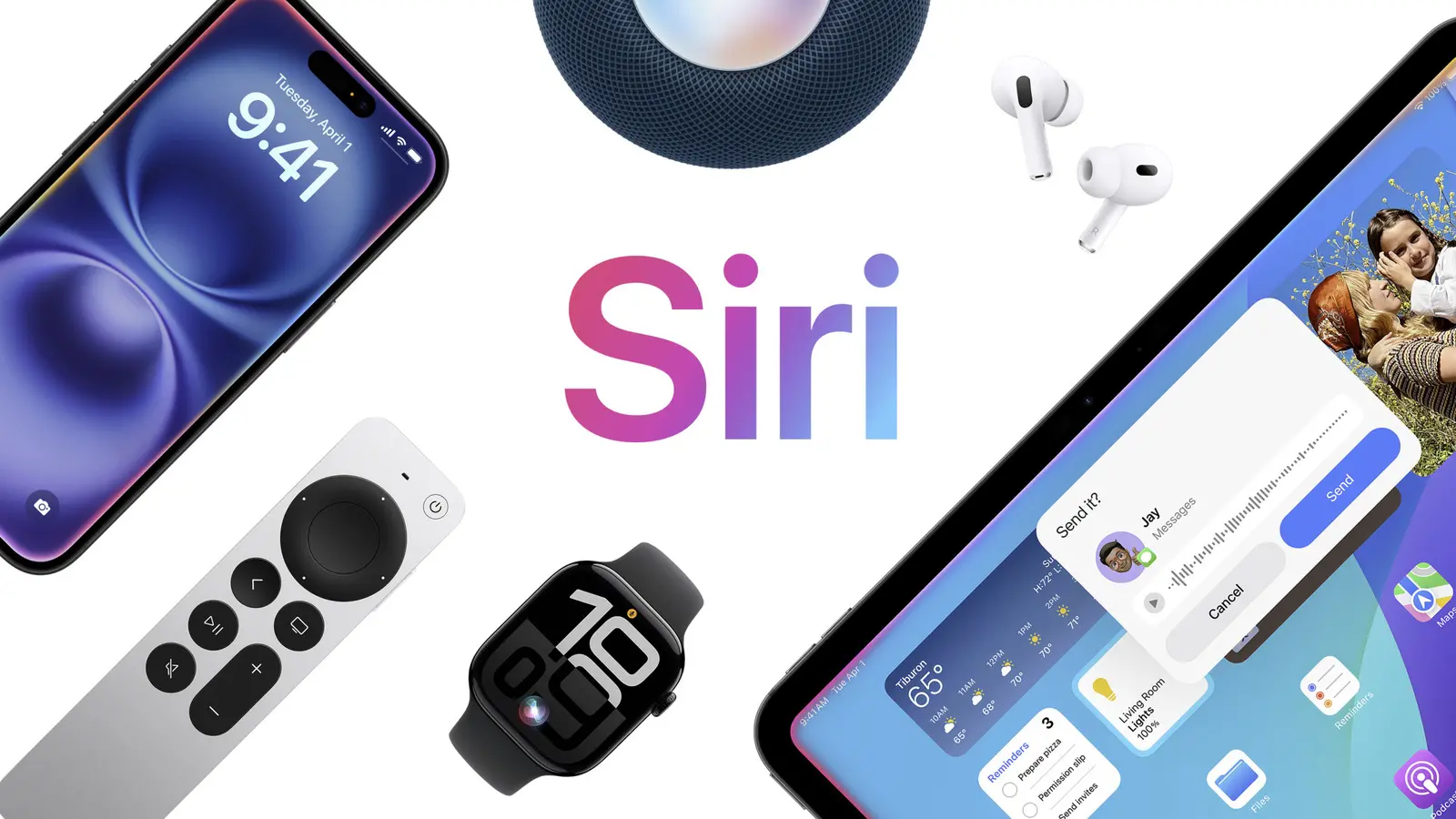
Apple has agreed to pay $250 million to settle a class action lawsuit that claimed the company misled iPhone buyers in the US about the release of a new AI-powered version of Siri. The lawsuit argued that Apple knowingly advertised features for its Apple Intelligence suite—including a more personalized Siri—that the company had not yet delivered, and that it continued to market these capabilities even after it became clear they would be delayed. The settlement, pending approval by a federal judge, will provide financial relief to approximately 15 million eligible iPhone buyers in the United States. However, Apple does not admit any wrongdoing as part of the agreement.
Background of the Lawsuit
The class action suit was filed in late 2025 by consumers who purchased an iPhone 16 or iPhone 15 Pro, lured in part by promises of advanced AI features. The plaintiffs alleged that Apple's marketing materials—including television commercials, online ads, and in-store displays—explicitly stated that the new Siri would be available by the end of 2024. These claims were based on announcements made at the Worldwide Developers Conference (WWDC) in June 2024, where Apple CEO Tim Cook introduced Apple Intelligence as a groundbreaking suite of on-device AI tools. The centerpiece was a revamped Siri that could understand the context of what was on a user's screen and take actions within apps, such as summarizing messages, booking reservations, or editing photos based on natural language commands.
According to court documents, Apple spent over $50 million on promotional campaigns highlighting Siri's new conversational capabilities. The company also featured the updated assistant in keynote presentations and developer sessions, giving the impression that the feature was nearly ready for prime time. However, by the time the iPhone 16 launched in September 2024, the core Siri upgrade was not included. Instead, Apple rolled out a series of incremental updates, such as text editing tools in Notes and email, image generation in Messages and Keynote, and integration with ChatGPT for certain queries. These features arrived piecemeal throughout late 2024 and early 2025, but the promised Siri transformation never materialized.
Timeline of Delays
Apple first acknowledged the delay publicly in March 2025, over five months after the iPhone 16 launch. In a statement to investors, the company explained that the new Siri required more extensive testing to ensure privacy and accuracy, particularly for on-device processing. The company later revealed that its internal development had encountered significant technical hurdles. Siri's new architecture depended on large language models running locally on the device's Neural Engine, but achieving the necessary speed and contextual understanding proved more difficult than anticipated. This forced Apple to rely on server-based processing, which conflicted with its privacy-first marketing.
Following the announcement, Apple pulled several ads that had been running during the NFL season and major sporting events, which had showcased Siri's ability to delete calendar events, check flight status, and compose emails based on screen content. The company also removed product pages from its website that referenced the feature as "coming later this year." Despite these actions, the lawsuit argued that the damage was already done: millions of consumers had made purchasing decisions based on promises that Apple knew might not be kept.
Details of the Settlement
The $250 million settlement fund will be distributed among class members who bought an iPhone 16, iPhone 16 Plus, iPhone 16 Pro, iPhone 16 Pro Max, or iPhone 15 Pro in the United States. Each eligible owner is expected to receive between $15 and $30, depending on the number of claims filed. Notably, the settlement does not require Apple to issue refunds or admit liability. The company also denies any violation of laws, citing the inherent challenges of software development and the fact that it eventually plans to ship the feature.
Legal experts have noted that the settlement amount is relatively small for a company with Apple's cash reserves—over $150 billion—but it serves as a warning to the tech industry about the risks of overpromising on AI capabilities. The case highlights a growing trend of consumer lawsuits against companies that announce AI products that fail to meet expectations. For example, Google faced a similar class action over its delayed Bard (now Gemini) features, and Microsoft has been sued over Copilot performance issues. The outcome of these cases could reshape how tech companies market upcoming AI features.
Apple's Current Plans for Siri
According to reports from Bloomberg and The Financial Times, Apple now expects to deliver the new Siri in 2026, bundled with the iOS 27 update. The company has shifted its strategy by partnering with Google to use the Gemini large language model for server-based queries, while retaining on-device processing for sensitive tasks. This hybrid approach is designed to meet the privacy standards Apple demands while still providing the powerful conversational understanding users expect. The new Siri will be able to understand complex requests like "Show me all the photos from my trip to Japan where I'm wearing a blue shirt and send them to Mom"—a capability demonstrated in 2024 but never released.
Apple has also invested heavily in its own AI infrastructure, building data centers with Apple-designed processors. The company is reportedly working on its own foundational model, codenamed "Ajax," which may eventually replace the reliance on Google's technology. However, the delay has cost Apple credibility among developers and consumers. Many third-party app makers who built integrations around the promised Siri capabilities have since pivoted to other platforms, such as Android's Assistant or Amazon's Alexa.
Impact on Apple's Brand and Market Position
The Siri debacle is particularly damaging for Apple because the company has long positioned itself as the leader in user experience and reliability. The slogan "It just works" has been central to Apple's identity, and the failure to deliver a flagship AI feature undermines that reputation. In the broader context of the AI race, Apple's slow rollout has allowed competitors like Samsung, Google, and OpenAI to leap ahead. Samsung's Galaxy AI, launched in early 2025, now includes real-time translation, advanced photo editing, and contextual assistants that many users find superior to Apple's current offerings.
From a financial perspective, the $250 million settlement is a minor expense compared to the potential long-term impact on iPhone sales. Analysts estimate that the delay could cost Apple up to $5 billion in lost upgrades, as some customers may choose to wait for iOS 27 or switch to rival devices. The iPhone 16 lineup sold well initially, but growth slowed in 2025 as the novelty of Apple Intelligence wore off. By contrast, the iPhone 17 series, rumored to launch in late 2026, will likely include the new Siri as a key selling point—though consumers may be skeptical of future promises.
Broader Lessons for the Tech Industry
The case underscores the dangers of announcing AI features too early. Sales and marketing teams often pressure engineering to commit to timelines that are not yet realistic, especially in a field moving as quickly as artificial intelligence. The pressure to be seen as an AI leader has led many companies—including Google, Meta, and Amazon—to showcase demos that are either heavily staged or never make it to production. For example, Google's Duplex AI assistant, demonstrated in 2018, took years to roll out to limited use cases. Similarly, Amazon's Alexa regularly failed to deliver on its promised ambient intelligence capabilities.
The lawsuit also raises questions about the legal definition of "deceptive advertising" in the context of future software features. Currently, companies can claim upcoming features without a hard delivery date, as long as they eventually ship them. The Apple case may push regulators to require clearer disclosures when a feature is not yet available and when delays occur. The Federal Trade Commission (FTC) has shown interest in such cases, and the Apple settlement could set a precedent for mandatory refunds or escrow accounts for pre-ordered software capabilities.
In the meantime, Apple will continue to develop its AI suite. The company has also expanded its internal AI research and acquired startups like Voysis and Laserlike to bolster its natural language processing. The next iteration of Siri is said to be deeply integrated with the entire operating system, able to control HomeKit devices, drive CarPlay, and even anticipate user needs based on daily routines. Whether these features arrive as planned remains to be seen, but the $250 million settlement serves as a costly reminder that promises made in the age of AI must be kept—or companies will pay the price.
Source: Engadget News