

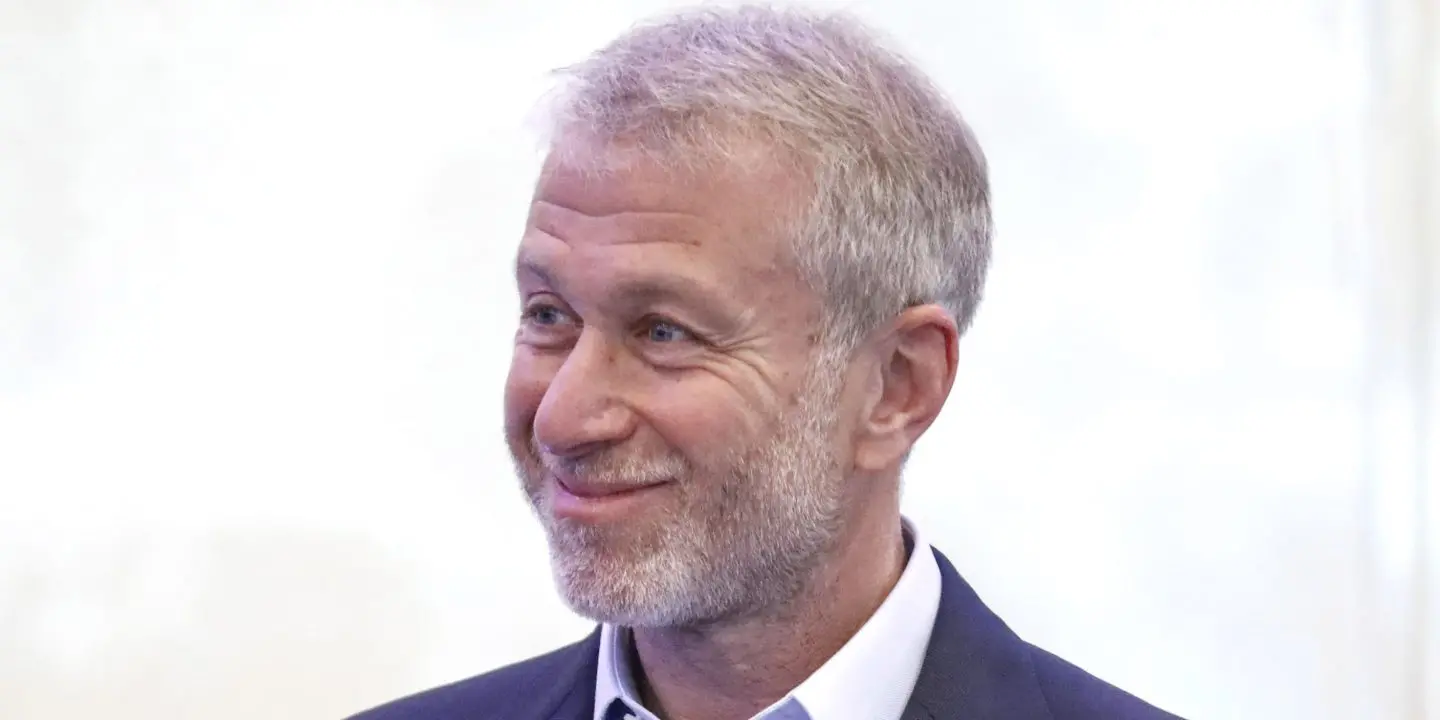
Russian oligarch Roman Abramovich, one of the world's most prominent billionaires, has found himself at the center of a geopolitical storm. Just days after announcing a $10 million donation to Israel’s Yad Vashem Holocaust memorial, news broke that the UK government is moving to prevent him from obtaining permanent residency in Britain. The move reflects London’s intensifying efforts to clamp down on Russian wealth following the invasion of Ukraine.
Abramovich’s donation, to be paid over five years, made him the second-largest individual donor to Yad Vashem. In a statement, he emphasized the need to remember the consequences of antisemitism and hatred. But his philanthropy has done little to shield him from scrutiny in the United Kingdom, where he is best known as the owner of Chelsea Football Club.
From Oil to Football: The Rise of Roman Abramovich
Born in Saratov, Russia, in 1966, Abramovich built his fortune in the chaotic aftermath of the Soviet Union’s collapse. Through a series of shrewd deals in oil — most notably his role in the creation of Sibneft — he amassed a multi-billion-dollar empire. His close ties to President Vladimir Putin have long been a subject of speculation, though Abramovich has avoided direct political confrontation. His purchase of Chelsea FC in 2003 transformed the club into a global powerhouse, winning multiple Premier League titles and a Champions League trophy.
Over the years, Abramovich has acquired multiple citizenships: Russian, Israeli, and most recently Portuguese. His Israeli passport, obtained under the Law of Return, allows visa-free entry to the UK, but not the right to settle permanently. Similarly, his Portuguese passport lost its residency benefits after Brexit.
The UK Clampdown
According to a report in the Sun newspaper, a special unit of the UK Home Office, part of the security and counter-terrorism division, is handling Abramovich’s case. While there is no evidence linking him to terrorism or criminal activity, British authorities are reportedly determined to make an example of him and other Russian oligarchs in the wake of Russia's military action in Ukraine.
Prime Minister Boris Johnson initially stated in the House of Commons on Tuesday that Abramovich was subject to government sanctions, but was forced to correct the record shortly afterward. The confusion highlighted the sensitivity surrounding the issue. A leaked 2019 document, quoted by Labour MP Chris Bryant during parliamentary debate, revealed that UK border forces had been instructed to prevent Abramovich from permanently settling in the country.
Bryant read from the document: “As part of the Foreign Office’s Russia strategy, aimed at targeting illicit finance and malign activity, Abramovich remains of interest due to his links to the Russian state and his public association with corrupt activities and practices. An example is that Abramovich admitted in a court case that he paid for political influence. Her Majesty’s Government is therefore focused on ensuring that persons associated with illicit finance and malign activity cannot settle in the United Kingdom and will use all available tools, including immigration powers, to prevent this.”
Broader Strategy Against Russian Wealth
This is not an isolated case. The UK has long been a haven for Russian money, with estimates suggesting that as much as $100 billion in Russian capital resides in London. The invasion of Ukraine prompted a sharp reversal of policy. The government has imposed sanctions on dozens of oligarchs, froze assets, and introduced the Economic Crime Act to crack down on dirty money.
Abramovich, whose net worth exceeds $10 billion, owns a mansion in Kensington valued at over £180 million. He has not been officially sanctioned, but the move to block his residency marks a significant escalation. Critics argue that the UK has been too slow to act, while supporters see the step as a necessary deterrent.
For Chelsea FC, the implications are unclear. If Abramovich were to become a persona non grata, his ability to manage the club could be compromised. In 2022, following the invasion, he was forced to sell the club after being sanctioned by the UK government. Although those sanctions were later lifted, the current residency ban could revive questions about his ownership and the club’s future.
The story of Roman Abramovich is emblematic of the shifting dynamics between Western nations and Russian elites. Once welcomed for their wealth, they now face increasing suspicion and legal barriers. The $10 million donation to Yad Vashem may burnish his image as a philanthropist, but it does not erase the concerns that have led British authorities to bar him from permanent settlement.
Source: Jüdische Allgemeine News