

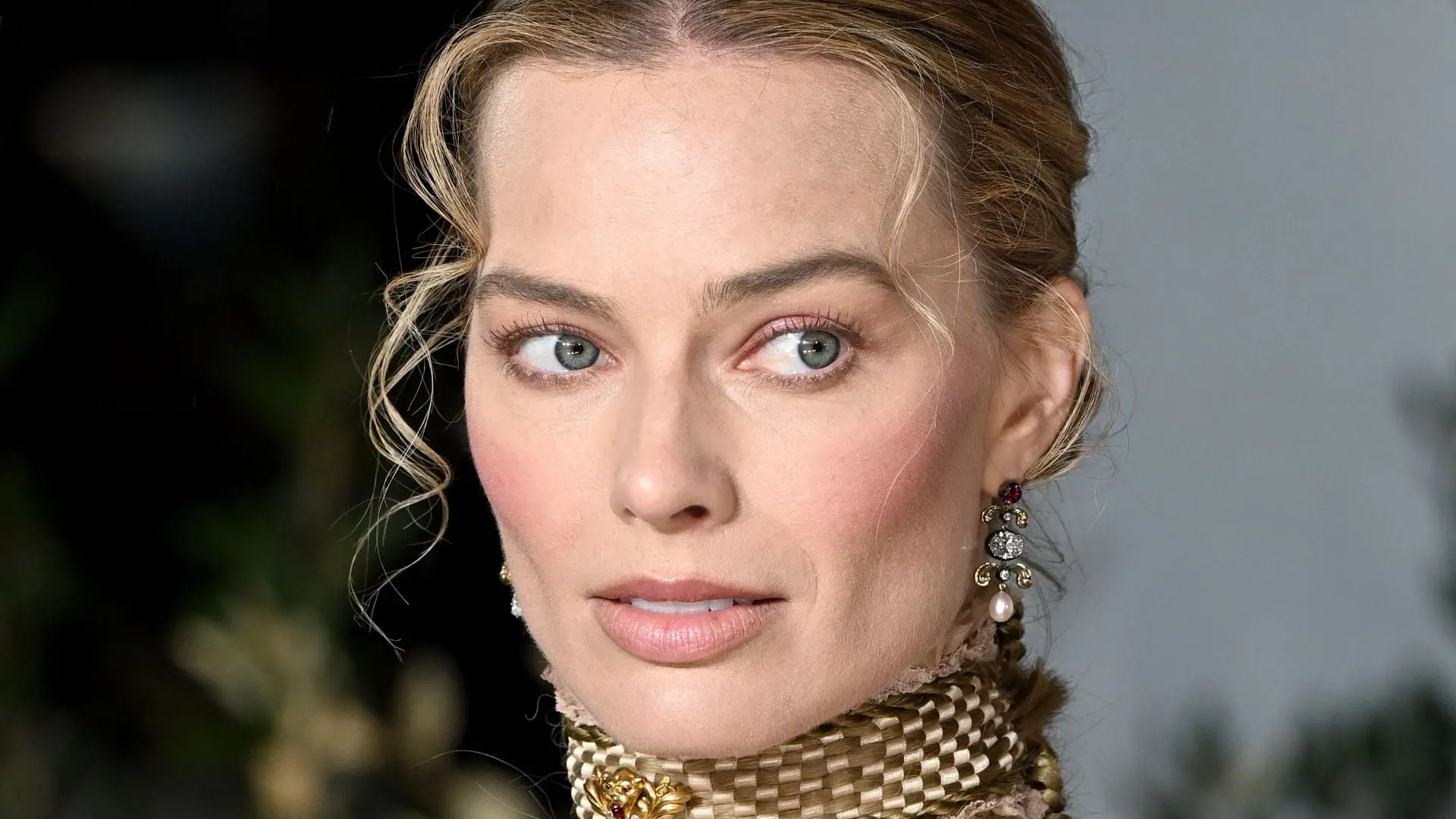
Cut Scene Revealed: Margot Robbie's "Extreme Armpit Hair" in Wuthering Heights
Director Emerald Fennell has offered a tantalizing glimpse into the making of her recent adaptation of Emily Brontë's "Wuthering Heights," revealing a cut scene that would have shown star Margot Robbie with notably unshaven armpits. Speaking at the Hay Festival in Wales, Fennell explained that the scene was designed to reflect the historical norms of the late 1790s, when the novel is set, but unfortunately did not survive the editing room.
Fennell expressed her frustration with the common practice in period dramas of depicting women with flawlessly smooth underarms, questioning the historical accuracy of such portrayals. "Where are the razors these women are using?" she asked, noting that in many costume dramas, women appear "hairless like eels," which she finds absurd. This desire for authenticity led her to film a scene in which Robbie's character Cathy is seen with conspicuously hairy armpits. However, as Fennell lamented, "Sadly, the scene where you see them didn't make it into the film."
Historical Accuracy vs. Cinematic Convention
The debate over historical accuracy in film is a long-standing one, particularly when it comes to grooming standards. In the 18th and early 19th centuries, Western women typically did not shave their armpits or legs. The practice of body hair removal for women became widespread only in the early 20th century, driven by fashion changes and marketing by razor companies. By focusing on this detail, Fennell aimed to challenge the sanitized, anachronistic portrayals that dominate many period productions. Yet, despite her intentions, the scene was removed, likely due to concerns over audience comfort or narrative flow.
This is not the first time a director has grappled with such decisions. Sofia Coppola's "Marie Antoinette" faced criticism for its ahistorical anachronisms, while other films like "The Favourite" have been praised for their grittier realism. Fennell's choice to include—and later cut—the armpit hair scene underscores the tension between artistic vision and marketability.
More Oddities: The Fish Scene
Beyond the armpit controversy, Fennell also shared another curious detail from the shoot: a scene requiring Robbie to insert her finger into the mouth of a fish embedded in aspic. A dozen real fish were prepared for the shot. "Poor Margot. I mean, she had to do it. There were twelve of them," Fennell said. The scene, which reportedly involved a grotesque display of food, was likely intended to evoke the raw, elemental nature of the story's setting. While odd, such practical effects are a hallmark of Fennell's approach, which often blends the unsettling with the beautiful.
Margot Robbie as Cathy: A Bold Interpretation
In Fennell's adaptation, Robbie takes on the iconic role of Catherine Earnshaw, a character torn between her wild passion for Heathcliff and the societal demands of her time. The film premiered in February 2025, receiving mixed but mostly positive reviews for its dark, visceral take on the source material. Robbie, known for her versatility in films like "I, Tonya" and "Barbie," brought a ferocity to the role that critics have noted as a defining element of the film.
Jacob Elordi plays Heathcliff, and the two leads were praised for their intense chemistry. Fennell, who also wrote the screenplay, described the project as less a faithful adaptation and more a personal interpretation, influenced by her own teenage readings of the novel. She has been open about taking creative liberties, which has sparked discussion among literary purists and cinemagoers alike.
Emerald Fennell's Career Trajectory
Before tackling the Brontë classic, Fennell earned an Academy Award for Best Original Screenplay for "Promising Young Woman" (2020), a provocative revenge thriller that also marked her directorial debut. That film's bold, confrontational style hinted at the unconventional choices she would bring to "Wuthering Heights." Her work often explores themes of power, gender, and societal hypocrisy, and the armpit hair anecdote fits neatly into this pattern.
Fennell's decision to cut the scene may have been pragmatic, but it also raises questions about the boundaries of historical realism in cinema. With streaming platforms and independent distributors increasingly taking risks, there is room for more daring depictions. Yet, as Fennell's experience shows, even a celebrated director must sometimes compromise.
The Bigger Picture: Period Films and Authenticity
The discussion around Robbie's missing armpit hair is part of a larger conversation about authenticity in period dramas. Historians frequently point out inaccuracies in everything from language to costumes, but body hair remains a particularly sensitive topic. In recent years, several shows and films have deliberately shown unshaven women, such as "The Great" and "The Last Duel," sparking both praise and backlash. Fennell's attempt, albeit cut, aligns with a growing push for more honest depictions of the past.
For film enthusiasts, these details—whether a fish-slimed finger or a glimpse of natural hair—add layers of texture to a story. They remind us that the people of earlier centuries lived in a world far removed from our own, and that sanitizing their appearance can strip away essential context. While the armpit scene remains unseen, its mere conception challenges audiences to think critically about what they expect from historical cinema.
As for Margot Robbie, her willingness to endure such uncomfortable scenes showcases her dedication to her craft. From wrestling with fish to potentially displaying unshaven armpits, she has proven time and again that she is unafraid to push boundaries. Whether the cut scene will ever surface in deleted footage or a director's cut remains unknown, but its story has already sparked lively debate about the intersection of beauty standards, history, and art.
Source: Promiflash.de News