

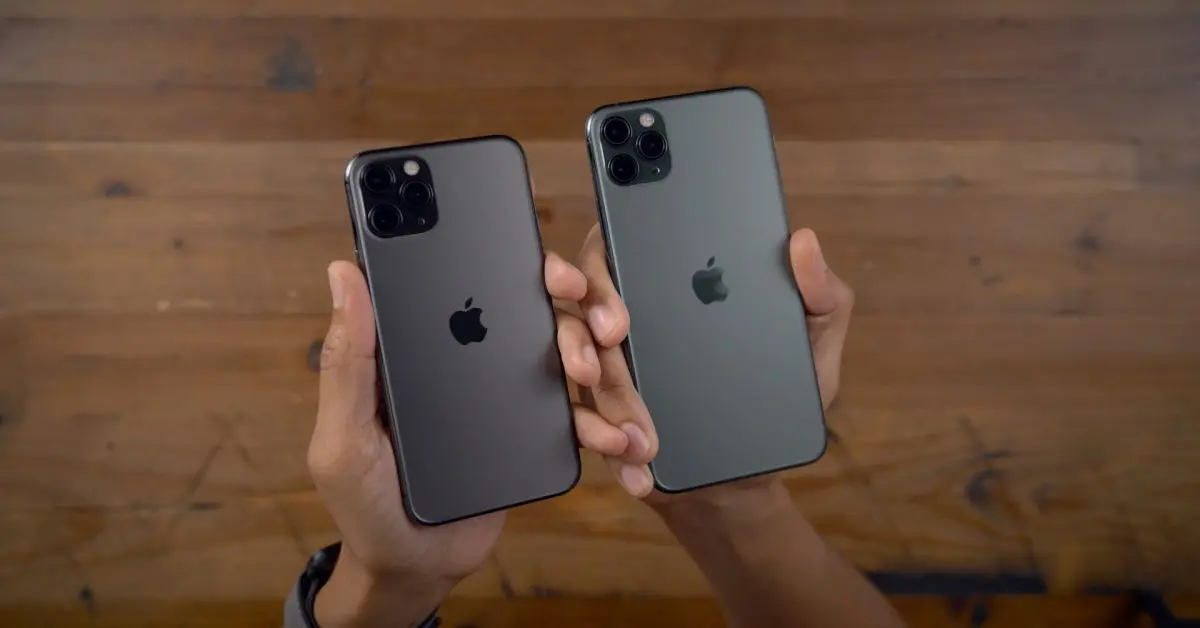
Apple's upcoming iOS 27, expected to be unveiled at WWDC on June 8, is rumored to drop support for four older iPhone models. According to a leak from the Weibo user Instant Digital, iOS 27 will no longer run on the iPhone 11, iPhone 11 Pro, iPhone 11 Pro Max, and the second-generation iPhone SE. If true, this marks the second consecutive year Apple has removed support for multiple devices with a major iOS update.
The list of compatible devices reportedly starts with the iPhone 12 series and any later models, plus the third-generation iPhone SE and newer. This means all variants of the iPhone 11 lineup, which debuted in 2019, and the budget-friendly iPhone SE (2020) will be left behind. For users holding onto these devices, the end of major software support is a clear signal to consider an upgrade.
Historical context of Apple's software support
Apple has traditionally offered long-term software support for its iPhones, often spanning five to six years. However, as hardware requirements evolve, the company periodically prunes older models. Last year, iOS 26 dropped the iPhone XS, XS Max, and XR—devices launched in 2018. The iPhone 11 generation, released in 2019, is now approaching the end of its five-year support window. The second-generation iPhone SE, released in 2020, shares the same A13 Bionic chip as the iPhone 11 series, so it is not surprising to see it removed alongside them.
In contrast, the iPhone 12 series, introduced in 2020 with the A14 Bionic chip and 5G connectivity, continues to receive support. This pattern suggests that Apple is using hardware capabilities as a cutoff, particularly the ability to handle increasingly complex AI and machine learning tasks. With iOS 27, key features like the rumored Siri overhaul and Liquid Glass design changes may depend on newer neural engines and more RAM.
What this means for users
If you own an iPhone 11 or an iPhone SE (2nd generation), your device will still receive security updates and bug fixes under iOS 26 for a limited time after iOS 27 launches. However, you will miss out on all new features introduced in iOS 27, including improvements to Apple Intelligence, revamped notifications, and advanced privacy controls. For many, the lack of future feature updates may accelerate the decision to upgrade to a newer model.
It is worth noting that even if your iPhone is compatible with iOS 27, not all features may be available. Apple Intelligence, a tentpole set of AI-driven features, is expected to require the iPhone 15 Pro or later due to its dedicated neural engine. Therefore, users of iPhone 12 through iPhone 15 standard models may receive a partial experience. This tiered approach is not new; previous iOS versions have reserved certain features for devices with specific capabilities, such as LiDAR or higher RAM.
List of iPhone models expected to be dropped
- iPhone 11
- iPhone 11 Pro
- iPhone 11 Pro Max
- iPhone SE (2nd generation)
List of confirmed compatible models (from leak)
- iPhone 12 and later
- iPhone SE (3rd generation)
- Any iPhone model with A14 Bionic or newer chip
Analysis of Apple's compatibility strategy
Apple's decision to drop support for four models in a single year highlights the accelerating demands of software innovation. The introduction of Apple Intelligence, which leverages on-device machine learning and natural language processing, requires hardware capabilities that simply do not exist in older chips like the A13. Additionally, the transition to ARM-based custom silicon for the Mac and the growing integration of iPhone software with iPad and Mac ecosystems push Apple to standardize minimum hardware requirements.
From a business perspective, dropping older models encourages users to upgrade, which boosts iPhone revenue and drives adoption of newer technologies like 5G, improved cameras, and OLED displays. Apple also benefits from reduced fragmentation, as a smaller range of supported devices makes testing and optimization easier.
However, the move also draws criticism from users who prefer to keep devices longer due to cost or environmental concerns. Apple has emphasized its commitment to reducing electronic waste through recycling and refurbished programs, but the inability to run the latest software can force upgrades. Users in emerging markets or those with tight budgets may feel the pinch most acutely.
The leaked compatibility list is not yet confirmed, and Apple could still make last-minute changes before WWDC. In past years, leaks have occasionally been inaccurate, so users should treat this information with caution. The official compatibility list will be posted on Apple's website immediately after the keynote on June 8.
Beyond the compatibility changes, iOS 27 is rumored to include a major overhaul of Siri, incorporating generative AI similar to ChatGPT, plus a refreshed interface called Liquid Glass that adds translucent effects and improved dynamic island interactions. Other expected features include enhanced live activities, upgraded Safari with AI-powered summaries, and expanded customization options for the lock screen.
For those planning to upgrade, the iPhone 16 series, expected in September, will fully support all iOS 27 features. However, even an iPhone 12 or 13 will provide a good experience, with most standard features available. Users of the iPhone 15 Pro and later will enjoy the most advanced capabilities, thanks to the A17 Pro chip's dedicated neural engine.
The end of support for the iPhone 11 generation is a natural milestone in Apple's product lifecycle. The devices were launched in 2019 and have enjoyed five major iOS upgrades: iOS 13 through iOS 26. With iOS 27 requiring A14 or newer, the iPhone 12 becomes the new baseline. This shift reflects the industry trend of increasing reliance on AI and machine learning, which demands more powerful silicon.
Source: 9to5Mac News