

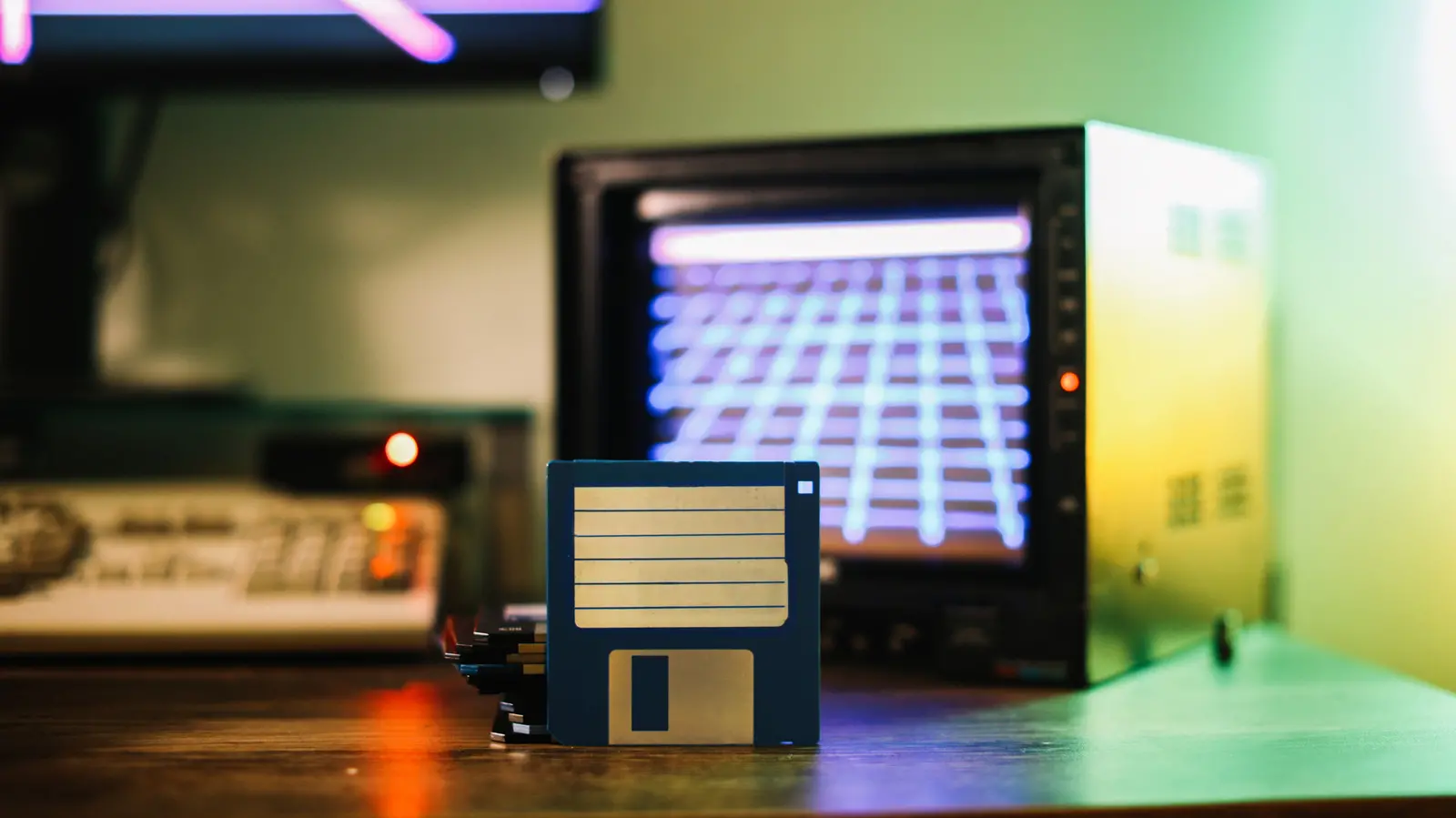
Technology is constantly moving forward, but that's not always a good thing. Modern high-tech gadgets can make you money, and it's useful to have multiple devices connected to each other. But many 'advancements' have also made people feel suffocated by forced online access, locked-down platforms, and endless subscriptions. As a result, as well as simple curiosity and perhaps nostalgia, younger generations have begun to embrace older pieces of tech, including analog devices and physical forms of media.
Not every kid or young adult is embracing older technology, of course. Some still love the latest Apple products. But many from Generation Z and Generation Alpha have found creative uses or enticing prospects for 'retro' devices and media in general. They also don't hold very high opinions on the direction current technology has started to move in. That's why you might see these generations taking full advantage of classic electronic items, from bulky TVs to film cameras. Here are four prominent examples.
CRTs and Retro Gaming
If you're a major fan of older games, the reason old CRT TVs are making a comeback shouldn't be surprising. Regardless of generation, many people insist that retro titles only really look as they should on retro monitors. The screens might have been limited in resolution and much less clear than modern TVs, but the people making media that was supposed to be played on those screens knew that. Thus, pixelated video games and even older movies can look especially appealing on a CRT, to the point that today's audiences have to seek out filters and overlays to replicate the style.
Of course, the retro gaming benefits make up the main appeal of CRT TVs. It's led to Gen Z actively seeking the bulky boxes out, all for the sake of experiencing the games as they were originally intended to be played. It's not just visual, either; even some of the most high-end TVs of today can't match the response time of a CRT. Even with the massive 8K screens now available, younger generations agree that there are some great benefits to these older models. CRT enthusiasts often pay significant sums for Sony Trinitron or other high-quality tubes, and dedicated retro gaming communities have sprung up online to share tips on finding and restoring these behemoths. Additionally, the unique scanline effect that CRTs produce can make pixel art look crisp and vibrant, something that modern LCD screens often fail to replicate without emulation tricks. For many, the CRT isn't just a piece of nostalgia—it's the definitive way to play classics from the NES, SNES, and Sega Genesis era.
Physical Media: CDs, DVDs, VHS Tapes, and Records
Streaming platforms can offer a wide plethora of movies and shows for everyone. But as more people leave expensive services for cheaper options, some are choosing to abandon them altogether. For younger generations, the concept of owning your media is even more appealing when you'd otherwise have to sign into an account and hope a company doesn't take down your favorite series. That's why physical media from optical discs, records, and even tapes still appeals to many younger users—in spite of how the latter is commonly seen as old tech that most Gen Z kids will never learn to use.
Of course, these solutions aren't perfect either. DVDs and CDs can degrade over time, and streaming services still have the benefit of turning viewers onto many shows or movies they'd never have bothered with otherwise. But as one young DVD enjoyer told the BBC, it isn't just about functionality and preservation. 'The main selling point [of DVDs] for me is the cases... it's about having something physical you can look at instead of just scrolling through your phone mindlessly.' There's a certain feeling that comes with having something physical that you won't get by just binge-watching your favorite shows or movies, and that's a major part of why they still have plenty of appeal today.
This trend extends to vinyl records, which have seen consistent sales growth over the last decade, largely driven by young buyers. The ritual of pulling out a record, placing it on a turntable, and hearing the analog warmth is a rewarding experience that digital files cannot replicate. Similarly, VHS tapes and even Laserdiscs have found niche audiences among collectors who prize the unique aesthetic and packaging. The resurgence of cassette tapes for indie music releases also speaks to a desire for physical objects in an increasingly digital world. Many Gen Z and Alpha consumers are actively hunting thrift stores and garage sales for these treasures, building collections that feel personal and permanent.
Retro Consoles and Dumb Phones
It might seem impossible to live a modern life without a full smartphone, but younger generations are embracing older 'dumb' phones instead. This trend is popular enough to have its own community on Reddit with over 175,000 weekly viewers, and multiple articles highlight the best dumb phones you can buy. On top of being cheap and lightweight, these devices don't squeeze owners for every drop of data they have, allowing them to reach out to friends without giving away so much personal information to Google, Apple, or other major companies. For many, a dumb phone is a digital detox tool, offering calls and texts without the distractions of social media and constant notifications.
While it's not quite for the same reasons, younger generations are also embracing retro gaming consoles. In this case, it's more because the best classic games are simply timeless to them, not because the older devices have so much functionality. That said, while it's possible to enjoy some older games on modern systems, their implementation can be somewhat lacking. It's hard to unappreciate how well retro consoles can run their original libraries—especially for Gen Z players willing to take those consoles to their limits. Original hardware like the Super Nintendo or PlayStation 1 offers precise input and no emulation lag, which competitive gamers in speedrunning communities value highly. Additionally, the aesthetic of retro consoles—with their chunky designs and colorful cartridges—adds to the appeal. Many young people are also exploring modding and repairing these devices, gaining hands-on skills that modern sealed devices rarely allow.
Point-and-Shoot Cameras
Smartphones have some pretty incredible cameras today, but vintage point-and-shoot cameras aren't going away. Gen Z has been pushing to make use of them in recent years, and there's a very simple reason for that: They're still fantastic, even in 2026. Rather than being designed as an extra feature for your phone, the picture-focused internals in a point-and-shoot camera are all you'll find inside one. In other words, everything about these cameras is designed to take the best photos possible.
In a way, these cameras are less a retro trend for Gen Z or Gen Alpha and more of an everlasting constant for aspiring photographers. Like classic games or the unique look of a CRT screen, they're timeless for many people, and their capabilities still haven't been so easily replicated or surpassed by modern alternatives. Even beyond modern technology's issues with ownership and the curiosity of younger generations, a major draw to older tech is simply that it still has plenty of fantastic benefits of its own. The distinct film-like look of a point-and-shoot—whether from a film or early digital model—is highly sought after on social media platforms like Instagram and TikTok, where users apply filters to mimic that aesthetic but prefer the real thing. Furthermore, the limitations of a dedicated camera (fixed lens, film roll, manual controls) encourage intentional photography, which many find more satisfying than snapping dozens of similar shots on a phone. Thrift stores and online marketplaces have seen prices surge for classic models like the Olympus Stylus or Canon Sure Shot, proving that the love for these compact cameras is more than a passing fad.
Source: SlashGear News