

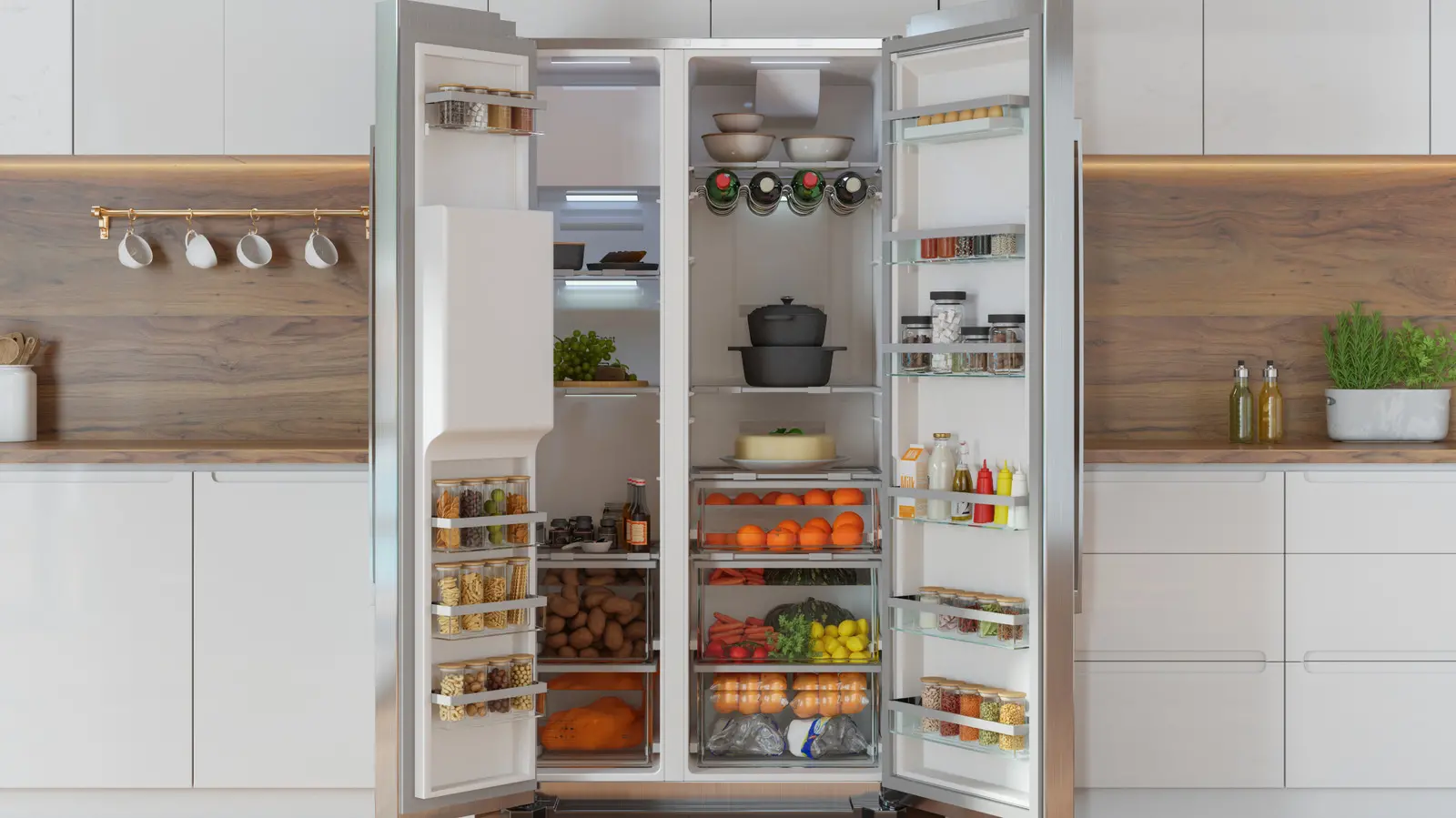
Every modern kitchen relies on a refrigerator to keep food fresh and safe. Without it, daily trips to the grocery store would become a necessity, and enjoying ice cream on a hot summer day would be impossible. Worse, the risk of foodborne illness skyrockets. Given how essential this appliance is, knowing its expected lifespan and how to prolong it can save you from unexpected food waste and costly replacements.
According to appliance experts, the average refrigerator lasts about 12 years. However, some models break down sooner, while others operate reliably for up to 20 years. The variance depends on brand quality, type of refrigerator, usage habits, and maintenance routines. For instance, high-tech refrigerators with built-in ice makers, water dispensers, and air purifiers often have shorter lifespans due to complex components that are prone to failure. Conversely, basic top-freezer models—often simpler in design—tend to last longer because they have fewer parts that can malfunction.
Budget-friendly refrigerators from lesser-known brands may also fail earlier than premium models from established manufacturers like Sub-Zero, Viking, or Whirlpool. But even top brands have occasional reliability issues; some models develop compressor or seal problems within five years. Therefore, it is vital to research customer reviews and avoid certain models that have consistent complaints about early breakdowns.
How to Keep Your Refrigerator Running Longer
You don't have to spend thousands of dollars to ensure longevity. The key is selecting a reliable model that fits your budget and needs, then maintaining it properly. Start by reading reviews for red flags such as frequent repairs or short lifespan reports. Once you've chosen your refrigerator, follow these maintenance tips:
Regular Cleaning: Clean the interior weekly to prevent food spills and sauce drips from accumulating on door gaskets. Dirty gaskets allow cold air to escape, forcing the compressor to work harder and increasing energy bills. Additionally, clean the condenser coils once or twice a year. Over time, dust and grime build up on these coils, restricting airflow and reducing efficiency. This can shorten the refrigerator's life by several years. Use a vacuum cleaner with a brush attachment or a specialized coil cleaning brush.
Replace Filters: Many modern refrigerators include water and air filters. Replace them according to the manufacturer's schedule—typically every six months for water filters and annually for air filters. Clogged filters strain the system and can lead to poor performance.
Optimal Placement: Install your refrigerator away from heat sources such as ovens, dishwashers, or direct sunlight. Heat forces the appliance to work harder to maintain cool temperatures. Also, ensure there is enough clearance around the unit for proper ventilation—usually a few inches on the sides and back. Never place anything on top of the fridge that could block airflow.
Avoid Overcrowding: Overfilling the refrigerator blocks air circulation and makes it difficult for the appliance to maintain uniform temperatures. However, an empty fridge also works inefficiently; a moderate load helps stabilize temperatures. Aim for a balanced fill level.
Check Door Seals: The rubber gaskets around the doors should form a tight seal. Test them by closing the door on a piece of paper; if you can pull the paper out easily, the seals need cleaning or replacement. A leaky seal wastes energy and stresses the compressor.
Key Signs That Your Refrigerator Is About to Fail
Refrigerators do not come with an expiration date, so learning the warning signs can prevent unexpected failures. Here are the most common indicators:
Unusual Noises: A healthy refrigerator produces a low hum or gentle buzz. If you hear rattling, squealing, grinding, or loud clanking, internal components like the compressor fan or condenser fan may be failing. These noises often indicate mechanical wear or debris caught in the fan.
Inconsistent Cooling: If your drinks are not cold enough or food spoils faster than usual, the refrigerator may have a failing compressor, broken door seals, a damaged thermostat, or dirty condenser coils. Sometimes the evaporator fan inside the freezer stops working, causing temperature fluctuations. A professional can diagnose the issue, but if the compressor is the culprit, replacement often costs between $700 and $1,250 (based on HomeGuide estimates). In many cases, buying a new refrigerator is more cost-effective than major repairs on an old unit.
Excessive Heat: It is normal for the back or sides of a refrigerator to feel warm as the compressor dissipates heat. However, if certain areas become too hot to touch, it usually means the condenser coils are excessively dirty or the compressor is failing. Check the coils first; if cleaning them does not solve the problem, call for service. A dying compressor often produces excessive heat and may eventually stop cooling entirely.
Frequent Cycling: If your refrigerator runs constantly or turns on and off more often than usual, it could be struggling to maintain temperature due to a faulty thermostat, dirty coils, or a failing compressor. This also leads to higher electricity bills.
Ice Buildup: Excess frost or ice in the freezer section—especially around the door or on the back wall—suggests a problem with the defrost system, door seal, or temperature settings. It may also indicate a blocked drain. If ignored, ice can damage components and reduce efficiency.
Moisture or Leaks: Puddles of water inside or under the refrigerator may come from a clogged defrost drain, a cracked water line, or a failing water filter. Water on the floor can indicate a refrigerant leak, which is hazardous and requires professional attention.
Understanding these signs can help you decide whether to repair or replace your refrigerator. Generally, if the appliance is over 10 years old and needs a major repair (compressor, sealed system), replacement is more economical. For younger units with minor issues, repairs often make sense.
In addition to practical tips, it is helpful to consider the broader context of refrigerator lifespan. Advances in technology have made modern refrigerators more energy-efficient but also more complex. For example, the introduction of inverter compressors in the 2000s improved efficiency and durability, while smart features like Wi-Fi connectivity and touchscreens add convenience but also introduce new failure points. Understanding your specific model's history—whether it belongs to a reliable series or a problematic one—can guide your purchase decision.
Historical data from consumer groups and appliance repair surveys consistently show that top-freezer refrigerators have the longest average lifespan (13–15 years), followed by bottom-freezer models (11–13 years), with French-door and side-by-side types often lasting 10–12 years. Built-in refrigerators, which are typically more expensive and require professional installation, can last 20 years or more with proper care.
To maximize the return on your investment, adopt a proactive approach. Clean your refrigerator monthly, inspect door seals quarterly, and schedule a professional check-up every year or two. Many homeowners overlook the importance of leveling the appliance; an unlevel fridge can cause the compressor to work unevenly and shorten its life. Additionally, keep the area around the refrigerator clean and free of obstructions to promote good airflow.
Finally, remember that your refrigerator's lifespan is influenced by the environment in which it operates. High humidity, extreme temperatures, and poor ventilation can all accelerate wear. If you live in a hot climate, consider installing your refrigerator away from external walls that absorb heat, and ensure the room has adequate air conditioning. By following these guidelines, you can enjoy a reliable refrigerator for many years and avoid the inconvenience of sudden failure.
Source: SlashGear News