

For decades, Europe’s space sector has been intertwined with the United States, relying heavily on American technology, launch services, and collaborative frameworks. However, a growing recognition that Europe cannot and should not depend solely on the US for its space ambitions is reshaping the industry. Far from being a setback, this shift towards autonomy is sparking innovation, strengthening sovereignty, and opening new economic horizons.
A History of Dependence
The Cold War era saw space exploration dominated by the United States and the Soviet Union. Europe entered the scene later, primarily through the European Space Agency (ESA), founded in 1975. Early European launchers like Ariane rockets were developed with some degree of cooperation with NASA and US contractors. The International Space Station (ISS) further cemented this partnership, with Europe contributing the Columbus module and other key components in exchange for access to the orbiting laboratory. Yet, this dependence was comfortable: stable geopolitical relations and US leadership in space made reliance seem natural and effective.
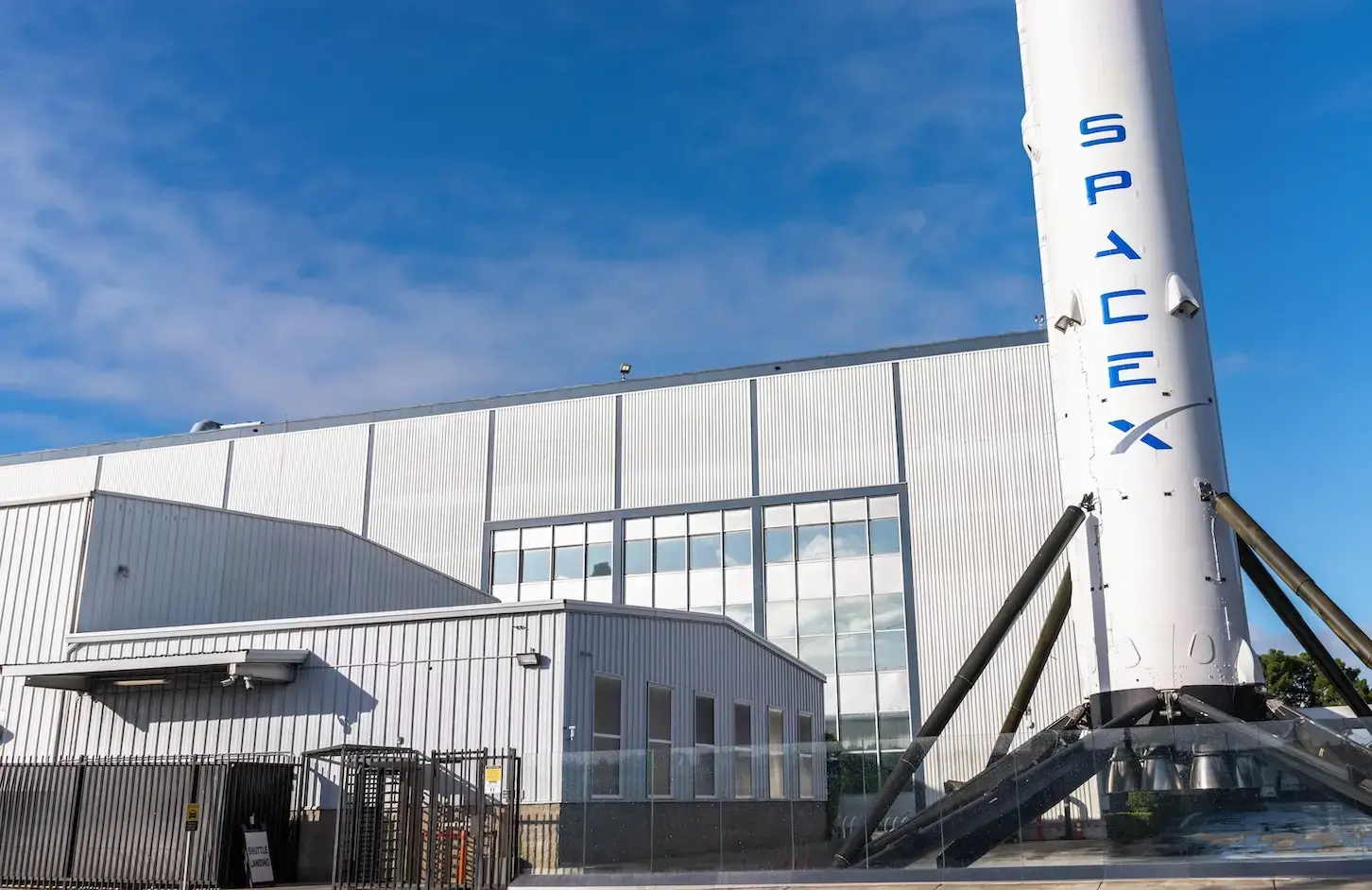
But the post-Cold War world has changed. US space policy has become more volatile, with shifts in priorities between administrations. The rise of commercial players like SpaceX, while beneficial globally, has also highlighted the vulnerability of relying on a single nation’s private sector for access to space. Meanwhile, export control regulations such as ITAR (International Traffic in Arms Regulations) have often hindered European access to key components, forcing European engineers to find alternative solutions or develop their own technologies.
The Catalyst for Change
Several factors have accelerated Europe’s push for space independence. Geopolitical tensions, particularly the war in Ukraine, have disrupted launch schedules (e.g., the suspension of Soyuz launches from French Guiana) and reminded policymakers of the risks of over-reliance on foreign partners. The US-China rivalry and growing militarization of space have also underscored the need for Europe to have its own strategic capabilities in navigation, communication, and Earth observation.
Moreover, the commercial space boom has shown that innovation thrives when there is competition and diversity. European startups and established firms alike are now developing reusable rockets, small satellite launchers, and advanced propulsion systems. The European Union’s new Space Strategy for Security and Defence, unveiled in 2023, explicitly calls for reducing dependency on non-European systems for critical space services.
Flagship European Projects Driving Autonomy
Europe is not starting from scratch. The Galileo satellite navigation system, fully operational since 2016, provides Europe with an independent alternative to the US GPS. Similarly, the Copernicus Earth observation programme delivers crucial climate and environmental data without relying on US satellites. These projects demonstrate that when Europe invests in its own infrastructure, it can achieve world-class results.
In launch capability, the Ariane 6 rocket is poised to replace the venerable Ariane 5, ensuring Europe’s independent access to space for heavy payloads. While its debut has been delayed, the rocket is designed to be more competitive and flexible. Additionally, the European Space Agency is fostering a new generation of small launchers through programs like ‘Boost!’, backing companies such as ArianeGroup, Avio, and startups like PLD Space and Rocket Factory Augsburg. These ventures aim to serve the growing demand for dedicated small satellite launches, a market currently dominated by US providers.
The development of reusable rocket technology is also gaining momentum. The reusable demonstrator program, Themis, led by ArianeGroup, aims to test vertical takeoff and landing capabilities. Though still in early stages, such efforts could reduce costs and increase launch frequency, two critical factors for commercial viability.
Economic and Strategic Benefits
Moving away from US dependence is not merely about security; it is a tremendous economic opportunity. The global space economy is worth over $500 billion and is projected to grow rapidly. By developing its own supply chain, Europe can capture more of this value domestically, creating high-skilled jobs and fostering a vibrant ecosystem of SMEs and research institutions. The European space industry already employs more than 230,000 people, and independence could further stimulate growth.
Strategically, having sovereign space capabilities gives European nations greater leverage in international negotiations and ensures that critical infrastructure like communications and navigation cannot be disrupted by foreign decisions. For military and security applications, this autonomy is paramount. The recent establishment of the EU’s Space Programme and dedicated funding lines underscores how seriously Europe takes this goal.
Challenges Ahead
However, the path to independence is fraught with challenges. Budgets are a perennial issue: European space spending, while substantial, still lags behind the US. For example, NASA’s budget dwarfs ESA’s, and Europe must pool resources across multiple nations with differing priorities. Coordination among EU institutions, ESA, and national space agencies can be slow and bureaucratic.
Technological gaps also exist. Reusable rocket technology is one area where the US, led by SpaceX, has a significant lead. Catching up will require sustained investment and risk-taking. Moreover, the commercial landscape in Europe is less mature than in the US, with fewer venture capital firms willing to fund high-risk space ventures. Initiatives like the European Innovation Council and national programs are trying to bridge this gap, but progress is gradual.
Another hurdle is the brain drain: talented engineers and entrepreneurs sometimes relocate to the US for better opportunities. Creating an attractive environment for space talent, including competitive salaries and regulatory clarity, is essential for retaining expertise.
Collaboration with the US: Still Valuable, But Not Essential
Autonomy does not mean isolation. Europe can and should continue to collaborate with the US on scientific missions, deep space exploration, and areas of mutual interest. The James Webb Space Telescope, for instance, involved significant European contributions, and joint planetary science missions remain hugely productive. The key is to ensure that such collaborations are partnerships of equals, not dependencies. Europe must have its own robust base so that it can negotiate from a position of strength.
The Artemis Accords, which include several European nations as signatories, outline cooperative principles including interoperability, but Europe is also developing its own astronaut training and potential future lunar infrastructure through ESA’s Terrae Novae programme. Balancing participation in US-led projects with independent initiatives is the path forward.
Looking Ahead
Europe’s space sector is at a pivotal moment. The choices made in the next few years will determine whether the continent becomes a major independent space power or remains a junior partner to the US. The positive signs are numerous: political will is strong, technological seeds are being planted, and commercial interest is rising. The shift away from reliance on the US is not an act of defiance but a pragmatic adaptation to a multipolar world. As European launchers lift off from Kourou, and as Galileo satellites continue to beam precise timing signals, the message is clear: Europe can and will chart its own course in the cosmos. That is not a bad thing at all — it is a necessary evolution for a continent that aspires to lead in the 21st century.
Source: UKTN News