

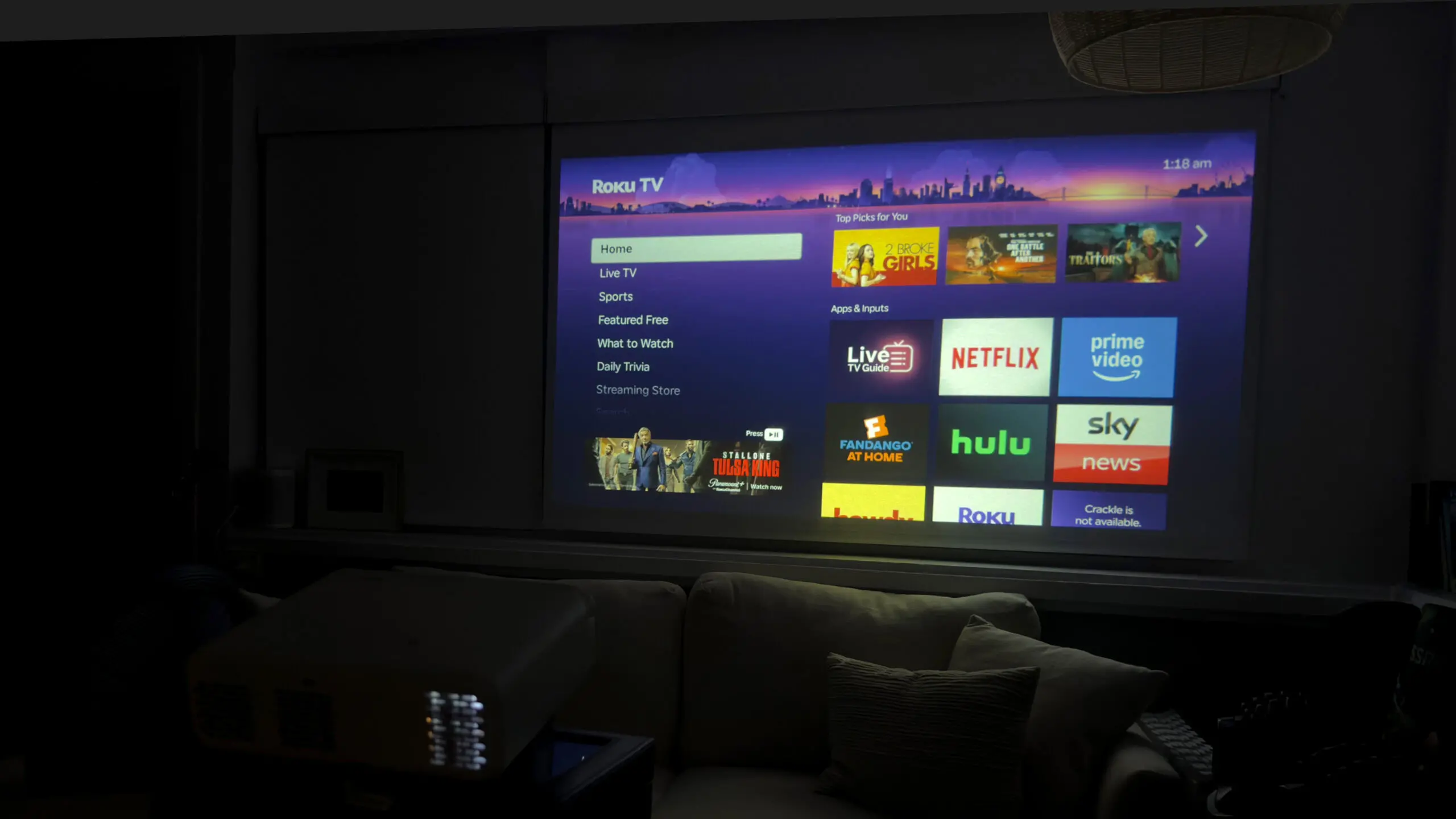
Roku has announced a sweeping streaming subscription sale that rivals the deep discounts typically seen on Black Friday. The company is offering markdowns of up to 90% on more than 30 premium streaming services, including major names like Starz, Apple TV+, and Hallmark+. The promotion is structured as a short-term teaser designed to attract new and returning subscribers, with most deals lasting only about two months. After that period, the prices automatically revert to the standard monthly rates, which can be significantly higher.
What Deals Are Available?
Among the standout offers, Roku is providing a 7-day free trial for the Howdy service. Apple TV+ is reduced from $12.99 to $5.99 per month for two months. Starz is available at $1.99 per month compared to its usual $11.99, and Hallmark+ is also priced at $1.99 instead of $7.99 for two months. Other discounted services include Lifetime Movie Club, Faith & Family, Shout! TV, and Frndly TV. The breadth of the sale suggests Roku is attempting to court a wide audience with diverse viewing preferences.
However, there are important caveats. Most discounts apply only to new or returning subscribers; existing Roku users who are already paying full price for these services will not benefit from the promotional rates. Additionally, the low pricing is not permanent. Once the initial two-month window ends, subscriptions automatically convert to the regular rates, which could catch consumers off guard if they forget to cancel in time. The entire offer in the United States expires on May 24, giving potential subscribers a limited window to act.
Roku's Ecosystem Strategy
This promotion is not merely an act of generosity; it is a calculated play to strengthen Roku's position in the competitive streaming ecosystem. By offering deeply discounted subscriptions, Roku hopes to lure users onto its platform, get them hooked on multiple services, and eventually convert them into long-term paying customers. This strategy is common across the streaming industry, where companies use free trials and temporary discounts as a customer acquisition tool. Roku's unique angle is packaging it as a celebratory sales event, akin to Black Friday, to generate urgency and excitement.
The move also underscores Roku's ambition to become more than just a hardware provider. The company's revenue increasingly relies on advertising and subscription commissions. By driving subscriptions through its platform, Roku can capture a share of the recurring revenue from these services. This is a classic tactic used by smart TV and streaming device manufacturers to monetize their user base beyond the initial device sale.
Historical Context and Industry Trends
The streaming market has become increasingly fragmented, with numerous services competing for a finite pool of consumer dollars. In response, price-sensitive consumers often jump between services, taking advantage of promotional offers and canceling before the full price kicks in. This behavior, sometimes called subscription hopping or churn, has forced services to offer ever-more-aggressive discounts to acquire and retain customers. Roku's sale is a direct response to this trend, aiming to capture users who value low introductory prices.
Historically, Black Friday has been the peak period for streaming deals, but companies like Roku are now experimenting with off-season promotions to maintain subscriber growth momentum. The timing of this sale, just ahead of the summer months when viewing patterns often change, suggests Roku is trying to lock in subscribers before the seasonal slowdown. Additionally, the promotion targets the post-spring streaming lull, when fewer major releases typically debut.
Potential Pitfalls for Consumers
While the deals are undeniably attractive, consumers should be aware of the potential pitfalls. The most common issue is forgetting to cancel a subscription before the promotional period ends. Roku's terms likely require users to manually cancel to avoid being charged the full rate. Given that many subscription platforms rely on inertia to retain customers, users should set calendar reminders to reassess their subscriptions before the promo expires. Another concern is that the offers may exclude existing subscribers, meaning loyal customers could be subsidizing discounts for new users.
Moreover, the quality of the discounted services should be evaluated. While Apple TV+ and Starz are well-known, services like Shout! TV and Frndly TV may have niche content that doesn't appeal to everyone. Users should sample the free trial periods before committing to a two-month subscription, even at discounted rates. Finally, the promotion is limited to the US market, leaving international users without these savings, which could create a sense of inequality among Roku's global user base.
Expanded Analysis of Roku's Business Model
Roku's strategy goes beyond just selling hardware. The company operates a platform that includes a smart TV operating system, a streaming device lineup, and a content aggregator. Roku earns revenue from advertising, subscription revenue sharing, and licensing its OS to TV manufacturers. By promoting these subscription sales, Roku increases the number of active accounts using its platform, which in turn boosts ad inventory and data collection capabilities. The more services a user subscribes to through Roku, the more deeply integrated they become with the ecosystem, making it harder to switch to a competitor.
The streaming industry has seen similar moves from other players. Amazon frequently offers discounted subscriptions to Prime Video Channels, and Apple TV+ often bundles with device purchases. What sets Roku apart is its hardware agnosticism—users can access these deals on any Roku-enabled device, not just a specific brand. This open approach helps Roku reach a wider audience, including users with non-Roku TVs who use Roku streaming sticks. The downside is that Roku may have less control over the user experience compared to Apple or Amazon, who own both the hardware and the content.
Future Outlook
As the streaming wars intensify, we can expect more companies to adopt similar promotional strategies. Roku's sale may set a precedent for other platforms to launch themed discount events outside of traditional shopping holidays. For consumers, this is both a blessing and a curse: more opportunities to save, but also more complexity in managing subscriptions. The key takeaway is to be vigilant about expiration dates and to read the fine print regarding eligibility. For Roku, the success of this promotion will be measured not just by how many subscriptions are sold, but by how many users stick around after the discounts expire.
Roku's decision to bundle multiple services into a single sale also hints at the future of streaming aggregation. Rather than subscribing to each service individually, consumers might eventually prefer a single aggregator that offers a bundle of services at a discounted flat rate. Roku is positioning itself to be that aggregator, using its operating system as a gateway. This sale is a stepping stone toward that vision, testing consumer appetite for multi-service bundles. If successful, we may see Roku launch permanent bundling options in the future.
Overall, Roku's Black Friday-style sale is a bold move in a crowded market. It offers genuine savings for new subscribers, but comes with strings attached. Consumers who act quickly and manage their subscriptions carefully can enjoy premium content at bargain prices for a short time. Meanwhile, Roku continues to build its ecosystem, hoping to convert these temporary customers into long-term users. The streaming landscape is evolving rapidly, and promotions like this are becoming a standard part of the business.
Source: Android Authority News